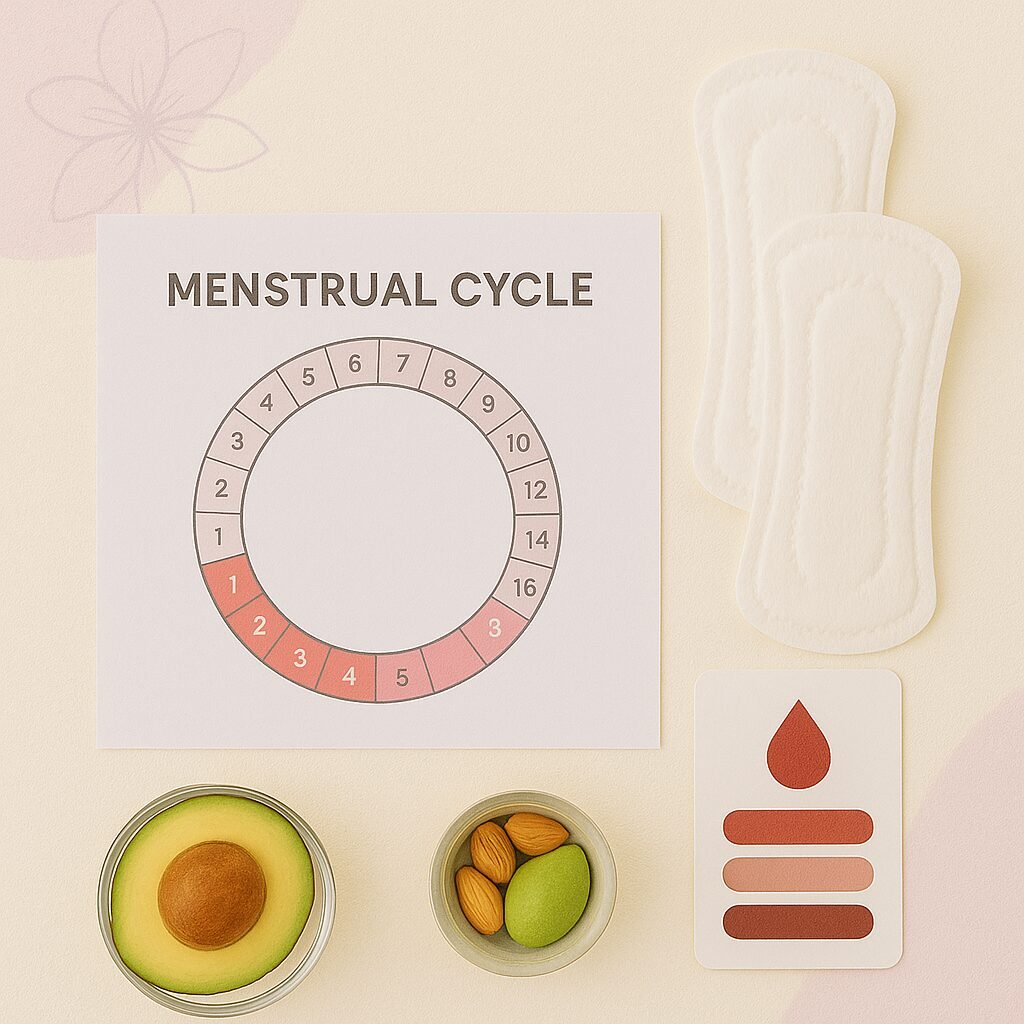


Your menstrual cycle tells you more about your health than you might realize — and you don’t need a lab test to start noticing the signs. One of the easiest ways to check your menstrual health at home is by observing the color of your period blood.
This quick, one-minute self-check can reveal a lot about your hormones, iron levels, and even your stress or diet.
If your period blood is crimson red, that’s usually a good sign. It means your flow is healthy, your hormones are balanced, and your body is functioning normally.
If you notice brown blood at the start or end of your period, don’t panic. It’s often older blood that took longer to leave the uterus. Completely normal — just your body completing its cycle.
A pale or pinkish flow can sometimes indicate low estrogen levels or low iron. It might also happen if your flow is lighter than usual. Keep an eye on your energy, mood, and cycle consistency. If this pattern continues, it’s worth checking with a healthcare professional.
A dark red flow often means the blood is moving a bit slower. This can happen when your uterine lining sheds more thickly or the flow isn’t as fast. It’s common, but monitor if it persists or comes with discomfort.
If your period blood is gray, foul-smelling, unusually pale, or includes very heavy clots, don’t ignore it. These can be signs of infection or hormonal imbalance. Always check with a gynecologist if your cycle feels “off” for more than two consecutive months.
Your cycle gives you early signals about your health — often long before a medical report does. By simply paying attention to your body, you can catch imbalances early and take charge of your reproductive health.
Your menstrual cycle isn’t just about your period — it’s a monthly health report from your body. Observing your period blood color is a simple yet powerful way to understand your hormones and overall well-being. So, next time your period comes, take a minute to notice the color and pattern. Small observations can make a big difference in your long-term health. And remember — if something feels off, don’t hesitate to reach out to a gynecologist.
Share this with a friend or sister — every woman deserves to understand her cycle better.
In case of any related query related to nutrition or weight management book an appointment with Dt. Silky Mahajan .You can also send us a mail at info@foodsandnutrition.in or call on 7829999400. Follow us on facebook & instagram for latest updates.