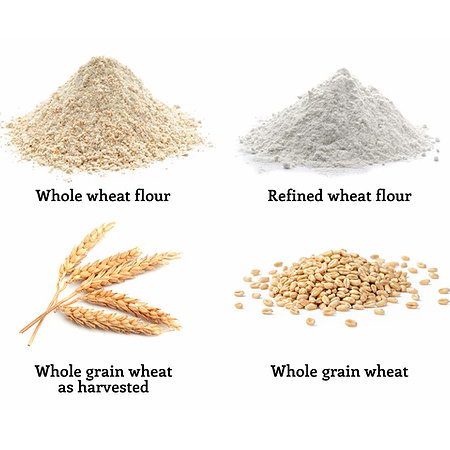
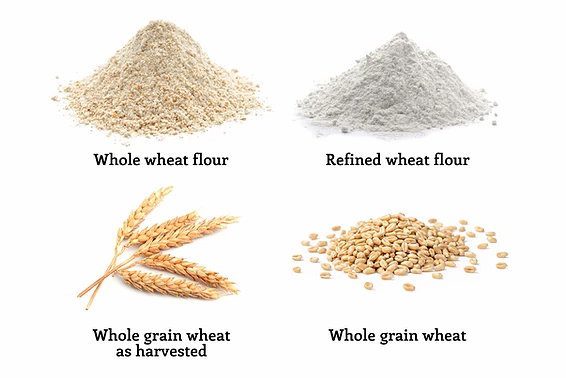
One of the main household items you will find in every Indian kitchen is wheat flour mainly used for making chapati, naan, paratha and puri. The two types of wheat flour available in Indian market are whole wheat flour and maida or all-purpose flour.
There is no debate on whole wheat flour being nutritionally enriched than that of maida which attributes mostly to their milling process.
The traditional milling process achieves 90-95% extraction through several steps
The first step in the milling process involves cleaning to remove all the impurities from the wheat either by washing or dry scouring.
The second step involves conditioning the wheat which improves the physical state of the wheat by the adjusting the moisture content which should be within 15-17%.
Finally, the cleaned and conditioned wheat is subjected to milling, which separated the endosperm from bran and reduce it to flour.
Hence, the quality of Atta is determined by the quality of wheat and the stages of grinding it goes through. The more the coarse the higher is its bran and fibre content of the wheat flour.
There are different brands of wheat flour available in every corner of India.
Let’s take a look on some major brands such as Aashirvaad atta, Patanjali and 24 mantra organic wheat flour so as to understand which is better for you to choose:
Summary
Selection of wheat flour should be based on its processing, type of wheat the company or brand is using to determine the quality of the wheat, if its available, and the nutritional content especially Fibre.
The best way to make sure that you are getting the nutritious whole wheat flour would be when you grind your own flour where nothing has been removed or added to extend its shelf life.
Indian food is all about savoury let it be paratha-chutney, idli sambhar or poha and the main ingredient is salt. Our taste buds are not used to food without salt or with too little salt. Lets explore the different types of salts used in daily life.
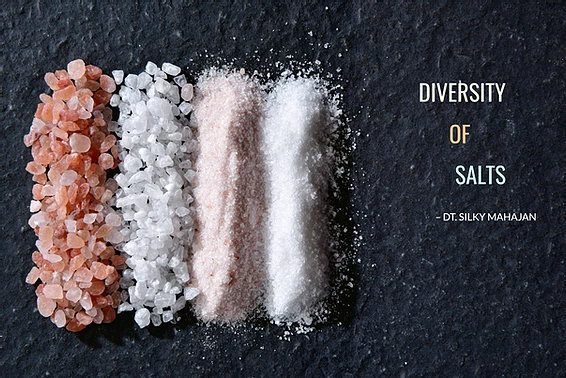
Even though the word ‘Salt’ brings us an image of a white powder used commonly in almost every kitchen, house or restaurant, there are many different varieties of salt available in the market.
Let’s Take A Look At Different Types Of Salts Used In Daily Life
1. Table Salt
The most common of all used in every kitchen from house to restaurants is harvested from salt deposits found underground. In other words, it is the highly refined and finely grounded version of rock salt.
The impurities and trace minerals are removed during processing. Most of the table salts available in market are iodized, as in iodine has been added.
Why iodine is added?
Originally, iodization was adopted to reduce the incidence of goitre, an enlargement of the thyroid gland.
Iodine being a trace element found in seafood, dairy products, grains and eggs is used by thyroid gland to produce thyroid hormone, which helps in tissue repair, promote growth and regulate metabolism.
Vegetarians, vegans and pregnant women have high risk of being iodine deficient leading to hypothyroidism and other maladies, thereby iodine is added to the salt. Iodine also plays a crucial role in brain development, especially during gestation.
2. Rock Salt
Rock salt is sourced from the underground rocks from under the earth surface, which is mined and refined for consumption.
It is characterized by large and chunky crystals and can be colourless, white, light blue, dark blue, purple or pink in colour according to the impurities and minerals present in it.
Rock salt is used mostly in large scale production industries such as ice cream factories.
3. Sea Salt
Sea salt is produced by the evaporation of ocean water or from saltwater lakes. It is less processed and hence contains trace amount of minerals such as – zinc, potassium and iron, giving it a much more complex and strong flavour.
From nutrition perspective there is no much difference between table salt and sea salt. But sea salt has less sodium as compared to table salt when measured in teaspoon due to its crystal form.
It is widely used as a seasoning salt, in cosmetics and in the preservation of food.
4. Himalayan Pink Salt
Himalayan pink salt has been crowned as the healthiest salt in the market, reason being it is the purest form of salt harvested from the Himalayan mountains.
It has 84 natural minerals and elements that are found in human body. It appears pink in colour due to the presence of Iron oxide. In terms of Iodine, Himalayan pink salt contains less Iodine as compared to Iodized salt.
Himalayan pink salt is believed to contain less amount of sodium compared to table salt which makes it an ideal option for hypertension patients.
Also, Himalayan pink salt has been claimed to help with balancing the body pH, improve sleep, regulate blood sugar and help in regulating blood pressure. Apart from being used as a seasoning salt it is also used in some bath salts for its detoxifying properties.
5. Black Salt
Black salt or Kala namak is a type of pungent smelling rock salt. Basically, it is processed form of Himalayan pink salt which is heated to an extremely high temperature with addition of natural herbs such as harad seeds, amla, babul bark etc.
It is used in Ayurveda as a laxative and digestive aid due to the presences of potassium, calcium, iron and sulphur. It tends to have less sodium when compared to table salt.
Also, it controls diabetes as it helps in maintaining blood sugar levels. Also, good for Cholesterol. But moderation is the key.
Different types of TATA salt
TATA salt is available in every corner of India. So, it’s best to know the types, so as to choose easily.
RDA recommended sodium intake is as follow
Note: RDA recommendation of 1500mg/day for adult includes the sodium consumed in the entire day e.g. home made food, Outside food, Snacks etc
WHO recommended Iodine intake is as follow
Conclusion
No salt has yet been proven to be healthy, all salt consists of sodium and chloride with trace amount of minerals. The healthiest choice would be to choose a salt which is less processed, because no matter which salt you choose, moderation is the key to healthy life.
Just remember to control your salt carving and reduce the amount of salt consumption. Avoid processed foods, go for low-sodium products, avoid sprinkling the salt over your salads, opt for food items with less salt when dining out, always read the labels while buying any food products and buy salt-free or healthy snacks as much as possible.
Food Labels are your guide to understanding the nutrient value along with other relevant information of the foods that you choose. Reading the food label can help you in:
Identifying the nutrients present in the food, drink or dietary supplements
Ascertaining the amount of sugar, trans fat and fiber content present in the item.
Comparing different items and deciding the best choice.
Taking note of ingredients that you should avoid.
5 Easy Steps To Help You Read Nutrition Information On Food Labels
Serving Size: You should compare the recommended serving size with the amount that you eat. Servings may be indicated in terms of pieces, grams or cups
Watch the calories: Take care of a number of servings of carbs, fats, and proteins in the food
Percent (%) Daily Value: This suggests if the intake of specific nutrients is high or low in terms of recommended amounts to be consumed.
Get enough of these: Sufficient quantities of vitamins, proteins and fiber and minerals are required in the daily diet.
Limit these: Limit sugar, fat, trans fat and sodium consumption, as the excess of these, is not recommended.
For inquiries, you can reach us via email at info@foodsandnutrition.in or call us at 7829999400 between 10:00 AM IST – 7:00 PM IST (Mon – Sat). Do follow us on youtube for latest nutrition tips & videos.
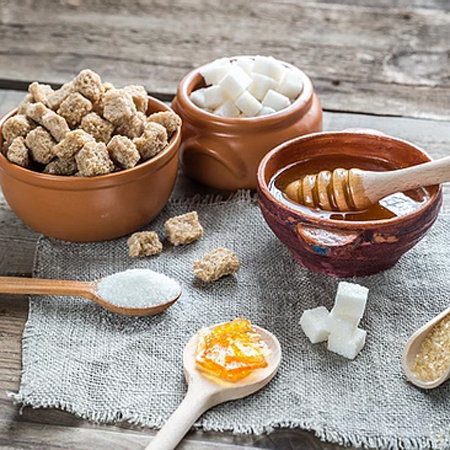
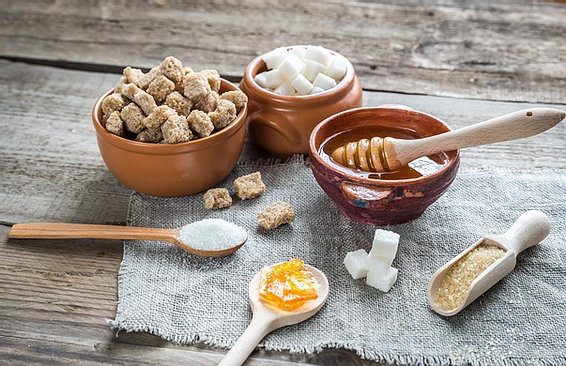
Sugar is considered as integral part of our life when it comes to food. After waking up in the morning we grab a cup of coffee/tea with sugar cubes and this process of sugar consumption continues entire day.
We keep having sugar by adding it in tea, milk, coffee or by consuming it indirectly through various food products such as ice creams, chocolates, cola drinks, packaged fruit juices and energy drinks.
Types Of Sugar Most Of Us Are Consuming In Our Day-to-day Life
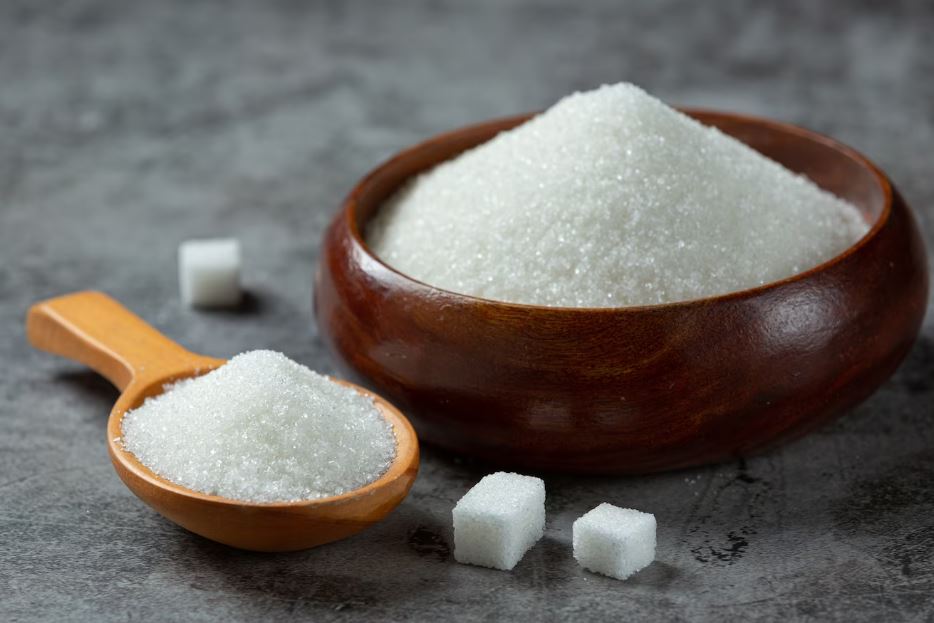
1. White Sugar
Also called as Table Sugar white sugar contains 99.9% sucrose (50% glucose + 50% fructose). It is manufactured by the processing and refining of natural sugars found in the sugar cane or sugar beet. Ash, Moisture, Minerals, and compounds that give sugar their color are completely removed.
Since one-teaspoon sugar contains 16 KCAL (no protein, no fat but only 4g carbohydrates), it is considered part of ‘Empty Calories’ food . It has limited nutrition values and hence no health benefits as such.
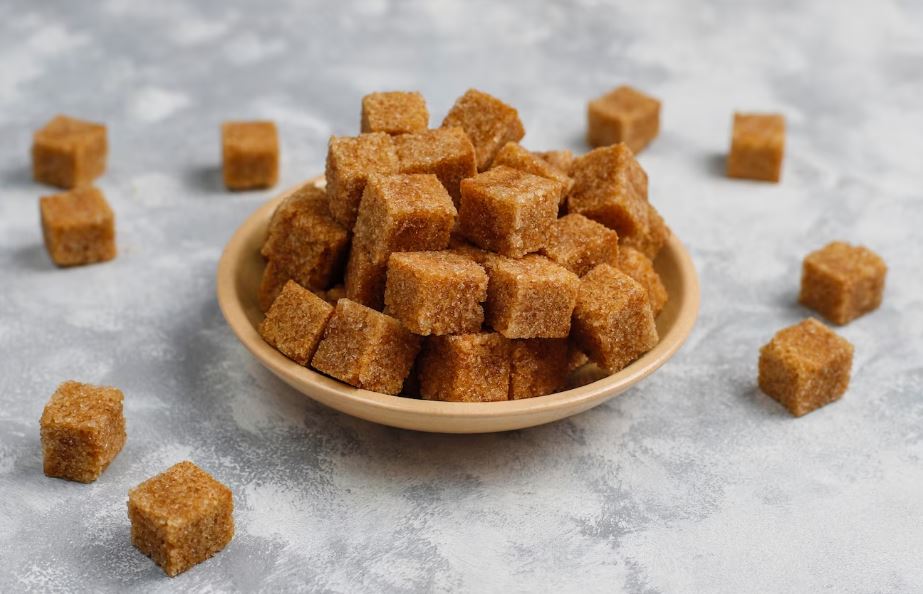
2. Brown Sugar
Brown sugar is produced either through less processing to retain its molasses content or by mixing completely refined white sugar with molasses.
It contains 93.5% – 96.5% Sucrose and 3.5% – 6.5% Molasses. Due to presence of molasses, it appears brown (3.5% – light brown & 6.5% – dark brown) in color.
Any minerals present in brown sugar come from the molasses added to the white sugar.
Brown sugar contains slightly fewer calories (12 KCAL per teaspoon) as compare to white sugar. 15% of the daily value of Iron (considering 100 gm reference amount), little amount of potassium, calcium, and magnesium but they are not present in great quantities.
In summary, there is no significant difference between white and brown sugar from nutrition perspective to give major health benefits.
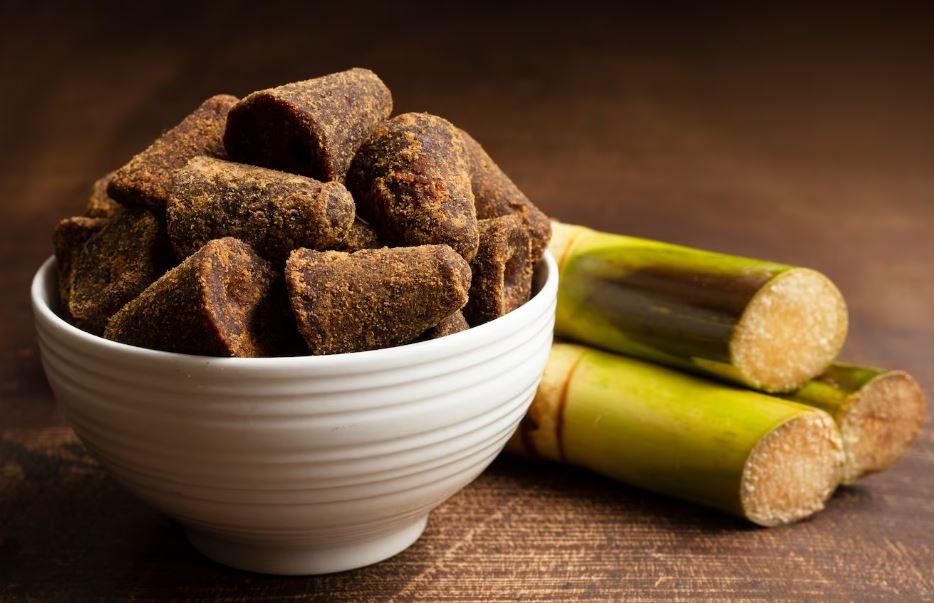
3. Jaggery
Known as ‘Gur’ in Hindi, Jaggery production is a simple process. It comprises of crushing the sugarcane to extract the juice, heating it to produce thick crystals and then solidifying to give the blocks shape.
Jaggery is considered as better choice as compare of white/brown sugar. It contains small amount of B vitamin and minerals, including calcium, Iron, magnesium, phosphorus, potassium and sodium.
Apart from these vitamins and minerals, 10 gm Jaggery provides 36 KCAL (minimal protein, no fat and 8.5g carbohydrates).
Diabetic patient should avoid Jaggery considering high glycemic index value (84.1).
Though Jaggery helps in blood purification, metabolism, nervous system, relief from cough & cold (taken with Honey and Ginger) and is considered as good cleansing agent (lungs, stomach, intestines, esophagus and respiratory tracts) but it may lead to some harmful effects too if not consumed in moderation.
These harmful effects include weight gain, increased blood sugar levels, indigestion, and nose bleeding due to heat production inside the body.
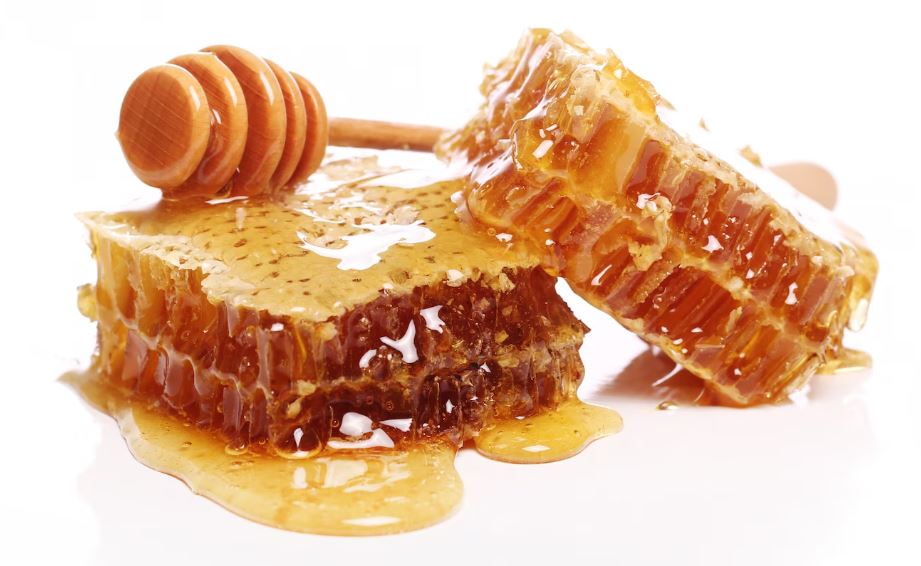
4. Honey
Honey is sugar-rich syrup stored by honeybees from a wide range of flowers.
It contains 40% fructose, 30% glucose and 17% water. Apart from water, per 100g of Honey contains Calcium, Potassium, Magnesium, Phosphorus, Iron, Vitamin B and Vitamin C. 1-teaspoon honey contains 20 calories (0 protein, 0 fat & 5 g carbs).
Honey is less processed as compare to sugar and it is only purified before distribution. Due to higher fructose content honey tastes sweeter than sugar and small quantity of honey gives same taste as 1 teaspoon sugar.
Honey provides many health benefits such as rich in antioxidants, ‘less bad’ than Sugar & Jaggery for Diabetes, lowers blood pressure, improves good cholesterol, lowers triglycerides and helps in suppressing cough and cold.
At the same time we should not forget that ultimately it’s high in calories and sugar therefore should be consumed in moderate amount only.
Let’s Compare The Nutritional Benefits Of White & Brown Sugar, Jaggery & Honey
Summary
Sugar (White/Brown) is considered part of ‘Empty Calories’ food with no/limited nutrition values . Hence there are no major health benefits as such.
Also, due to the high glycemic index (GI) and the minimal amount/absence of vitamins and minerals, it raises the blood sugar levels more quickly.
Usually, Jaggery is not chemically processed like refined sugar, therefore, it’s always a better choice. Diabetic patient should avoid Jaggery considering high glycemic index value (84.1) to avoid raise in blood sugar levels.
Honey is a healthier choice compared to other sweeteners, as it is less processed. It has a low glycemic index (GI) and contains essential vitamins and minerals.
Avoid ice creams, chocolates, cola drinks, and packaged fruit juices completely as all these items contain too much sugar. Keep in mind that it is always recommended to limit your sugar intake to avoid health issues.
Many of us can not start our day without a piping hot cup of tea or coffee, or when feeling tired we tend to grab an energy drink, after which we feel fresh and energetic.
Let’s try to understand what is the reason behind this kick. Actually this feeling is caused by caffeine – a natural stimulant that stimulates the brain and nervous system to stay alert and prevent tiredness.
Caffeine is found in tea leaves, coffee beans and cacao seeds. It’s very important to know how much quantity of caffeine is available in various products such as coffee, tea, cola drinks and chocolates so that, you can benefit rather than health issues.
Is Caffeine beneficial?
Since caffeine mainly affects the brain and its function, it may help to improve mood, decrease depression, increase brain function and to some extent may help to protect against Alzheimer’s and Parkinson’s.
Boosts our concentration and memory
Caffeine may also help in boosting metabolism and promote fat loss.
Caffeine also helps in reducing water retention as it increases frequency of urination (Diuretic in nature)
Can help in reducing type 2 diabetes
Now let’s look into the different types of caffeine rich food in our day to day life:
Coffee
It’s a brewed drink made from roasted coffee beans, and berries of certain species of coffee. Coffee contains riboflavin (B2), niacin (B3), magnesium, potassium and many antioxidants.
Types of coffee and their caffeine content
Decaf stands for decaffeinated. These coffees are made by removing around 97% of caffeine from the coffee beans while processing. This is a good option for people who wants to limit their caffeine intake.
Tea
About 88% of the total Indian population consume at least one cup of tea in a day. Let’s compare different types of tea to understand the caffeine quantity:
Chamomile, Peppermint and Dandelion tea come under category of Herbal Tea. These products are caffeine free because, these are either dried flowers, leaves, seeds or root of caffeine free plants.
One of the best options for the late night relaxation without disturbing sleep pattern after tea.
Cacao
Cacao and cocoa are both from the cacao plant. Cacao is made by cold pressing the unroasted cacao beans. Whereas cocoa powder is made by high temperature roasted cacao beans, which is highly processed.
Both cacao powder and cocoa are used in making chocolates and chocolate-based products.
Comparing Caffeine Levels in Different Chocolates
Caffeinated Drinks
Caffeinated drinks are the beverages that contain caffeine. Many caffeinated drinks such as soft drinks and energy drinks are available in market.
Recommended Caffeine Intake
1 to 3 mg caffeine per kg body weight is considered safe for adults. Such moderate dosages can be found in everyday amounts of coffee, tea, cold drinks, chocolates and some sports products (e.g., gels).
For example, 60-80 mg of caffeine is supplied by a small cup of espresso coffee or 400 ml of a cola drink.
Excess intake of caffeine (e.g. 9 mg per kg body weight) can result in side effects like jitteriness, nervousness, insomnia, headache, dizziness, and gastrointestinal distress, which can obviously have a detrimental effect on day to day activities.
Conclusion
It is advisable not to exceed caffeine more than 3 mg per kg body weight
Avoid taking tea or coffee or any caffeinated drinks before going to bed as caffeine takes 6hrs to get out of our system which will leave you sleep deprived. You can opt herbal teas such as chamomile, dandelion or peppermint tea instead.
Incase you suffer from digestion issue and prefer coffee go for decaf than regular.
Swap milk chocolates with dark chocolates as it contains less amount of carbohydrates and fat, considering to keep the amount of caffeine intake under control.
Its better to avoid caffeinated soft drinks and energy drinks as they are high in sugar and they will provide you with instant energy boost but will not sustain for longer.
Checkout the home remedies to cure Cough Cold thumbnail
Cold is a common infection which is mainly caused by Rhinovirus. It is called as “Common Cold” because people often catch cold rather than any other disease. It is highly contagious and can spread easily from one person to another.
Cold can occur at any time of the year, but it is most common in Winter or rainy season.
There is no particular treatment of cold but few Home Remedies To Cure Cough which are listed below can help to decrease the symptoms and are much safer than medication.
Symptoms of Cold Includes sore throat, nasal congestion, runny nose, sneezing, cough, aches and pain in throat region, fever, headache etc.
Top 11 Home Remedies To Cure Cough & Cold
Gargling: Mix 1 tsp of salt into warm water or lemon warm water and Gargle for a sore throat. Frequent Gargling can reduce episode of Infection.
Lemon, Cinnamon and Honey: Mixture of this combination is effective remedy to cure cough and cold.
Ginger Milk: Boil 200 ml milk with 1 small clove of ginger and drink warm ginger milk before sleep. It helps in soothing throat Inflammation, running and dripping nose and to expel phlegm from respiratory tract.
Turmeric Tea: It can help easing digestive problems and cough or cold if caused by GERD.
Spiced Tea: Add Tulsi, Ginger, Clove (Laung), Cinnamon and Black pepper in tea and sipping it slowly can fight common cold and cough.
Marshmallow Root Tea: Helps ease Irritation resulting from cough because of its high mucilage content.
Mix Fennel seeds, Black Pepper, Amla and Mulethi in equal Quantity, grind it and take 1 tsp of this mixture in the morning and evening.
Mix Black Pepper, Cumin, Jaggery in warm water and sip it slowly in case of chest congestion.
Probiotics: Can help in boosting immune system by balancing bacteria in the gut.
Burnt clove: Chewing a burnt clove is an effective medicine for cough.
Raisin (Munakka): Raisin with pinch of black salt can give relief from dry cough.
Foods to Avoid During a Cough & Cold
Dairy Products: Avoid having dairy products as the intensity and severity of mucus increases on its intake.
Smoking and Drinking alcohol as it weakens the immune system.
Too much coffee/tea as caffeine leads to dehydration and can cause breathing Issues.
Fruit juices as they are high in sugar content which further reduces WBC capacity to tackle illness.
Fried snacks, Junk/Spicy Foods, and processed foods.
White flour and white sugar delays healing process and suppress immune system.
Mangoes, Banana and citrus foods can increase mucus production.
Other Instructions to Avoid Cough & Cold
Stay Hydrated: Drinking plenty of fluids prevents dehydration and warm fluids can clear mucus such as warm water, soup without spice etc.
Steam: Steaming with Eucalyptus oil/Peppermint/Tea Tree or a hot shower helps stuffy or irritated nose.
Personal Hygiene: Keep your hand, nails, the tissue or handkerchief clean which are used for sneezing. Use Hand Sanitiser. Disinfect the environment and commonly touched surface.
Taking proper rest with balanced meal and enough water.