

Categories
Weight Management latest buzz

Do You Really Need Multivitamins? Think Again!

Do You Really Need Multivitamins?

If you’re spending money on multivitamin tablets hoping they’ll fix your nutrition gaps, it’s time to pause and rethink. While supplements have their place, most healthy adults who eat a balanced diet don’t need them daily.

Multivitamins are often marketed as quick fixes, but the truth is that real nutrition comes from real food.

When Supplements Actually Matter

Supplements can help — but only when there’s a proven deficiency due to age, health conditions, or specific lifestyle needs. For example:

  • Pregnant women may need folic acid.
  • People with limited sun exposure may need vitamin D.
  • Older adults or vegetarians may need B12.

But for most people, relying on tablets instead of a healthy diet can create a false sense of security.

Why Whole Foods Always Win

Whole foods offer far more than vitamins and minerals. They provide:

  • Fiber for digestion and gut health
  • Antioxidants that fight inflammation
  • Cofactors that help your body absorb nutrients efficiently

These can’t be replaced by a pill. Plus, nutrients from food are absorbed more naturally and safely compared to synthetic supplements.

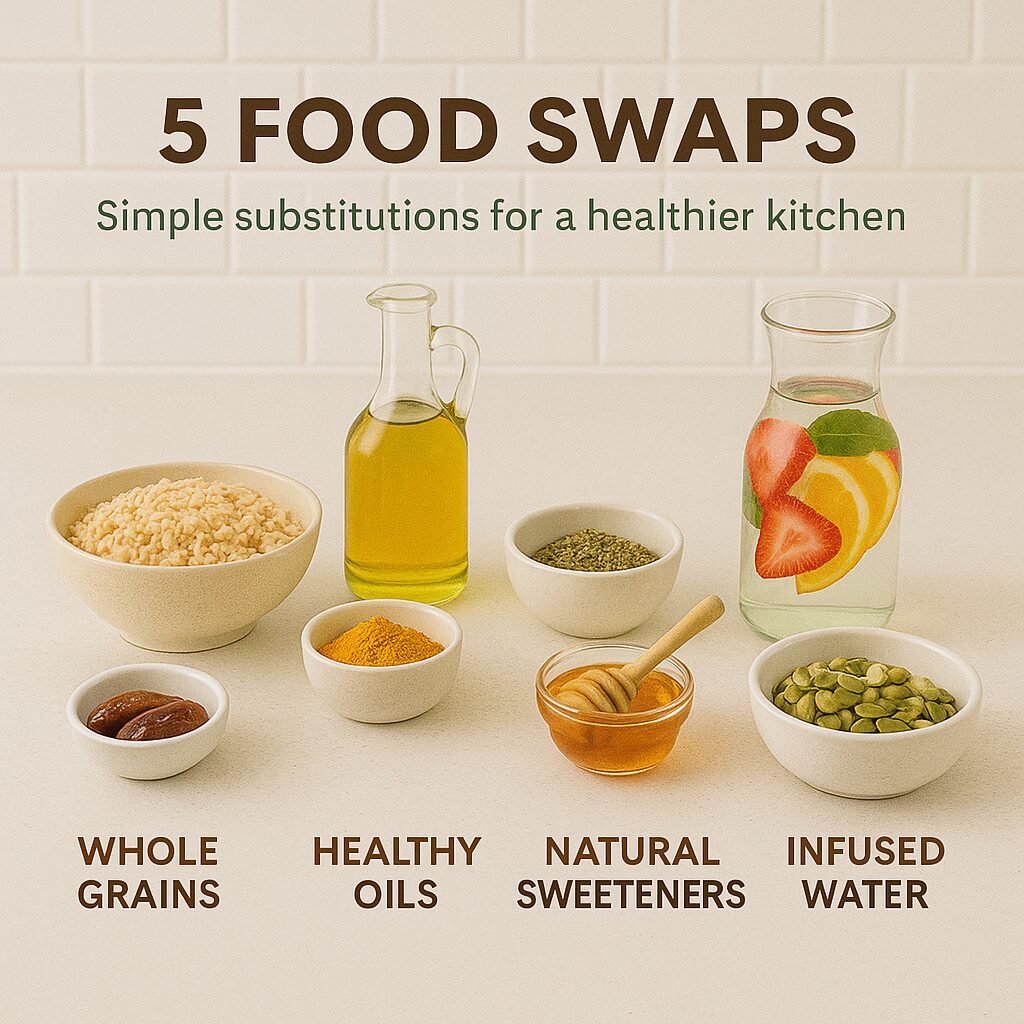
Simple Food Swaps to Meet Your Vitamin Needs

You don’t need expensive tablets to stay healthy. A few mindful choices in your diet can bridge most nutrient gaps:

  • Green leafy vegetables for iron and folate
  • Colorful vegetables for antioxidants and vitamins A, C, and K
  • Seasonal fruits for vitamin C and fiber
  • Eggs, paneer, and milk for vitamin D, calcium, and B12
  • Sprouts and lentils for plant-based protein and micronutrients

The Risk of Overusing Supplements

Over-reliance on multivitamins can do more harm than good. Your body excretes excess water-soluble vitamins, wasting money — and fat-soluble ones (A, D, E, K) can build up to harmful levels if overused.

Conclusion

Multivitamins can be useful for short periods or specific deficiencies, but they’re not magic pills. No supplement can replace the power of real food. Instead of chasing quick fixes, focus on a nutrient-dense diet filled with whole, colorful, and seasonal foods. This simple approach not only saves you money but also helps your body absorb vitamins the natural way. So before you pop another pill, fill your plate — not your cabinet.

In case of any related query related to nutrition or weight management book an appointment with Dt. Silky Mahajan .You can also send us a mail at info@foodsandnutrition.in or call on 7829999400. Follow us on facebook & instagram for latest updates.

19
Categories
Weight Management latest buzz

Best Time to Eat Gut-Friendly Foods for Better Digestion

Read This Before Adding Gut-Friendly Foods to Your Diet

Gut health plays a major role in how you feel every single day — from your digestion and energy to your mood and immunity. While gut-friendly foods are amazing, timing matters more than most people realize. When you eat these foods at the right time, your body absorbs their nutrients better, helping you feel lighter, energized, and less bloated.

These are some of my favorite gut-boosting foods that have worked wonders for me and my clients — and here’s exactly when to eat them for the best results 👇

1. Seeds (Flax & Chia) – Morning Power Boost

Add a teaspoon of flax or chia seeds to your morning smoothie or overnight oats around 7–8 AM. They’re rich in fiber and omega-3s, which help keep digestion smooth and regular throughout the day.

2. Virgin Coconut Oil – Start on an Empty Stomach

Take a spoon of virgin coconut oil first thing in the morning on an empty stomach. It helps improve gut lining, supports metabolism, and promotes a healthy balance of gut bacteria.

3. Fermented Foods – With Meals for Better Absorption

Foods like kimchi, kefir, kombucha, and sauerkraut are rich in probiotics. Have them with lunch or dinner to enhance digestion and nutrient absorption.

4. Greek Yogurt – Morning or Midday Snack

A bowl of Greek yogurt in the morning or as a mid-day snack keeps your gut microbiome balanced. The live cultures support digestion and boost immunity.

5. Ginger – Before or With Meals

Fresh ginger is a natural digestive aid. Consuming it before or with meals helps stimulate digestive enzymes, reduce bloating, and relieve indigestion.

6. Berries – Anytime Antioxidant Snack

Loaded with fiber and antioxidants, berries make an excellent snack anytime — but having them with breakfast gives your metabolism a fresh, energizing start.

Pro Tip: Timing + Consistency = Results

Gut health doesn’t improve overnight. Consistency is key. Combine these foods with proper hydration, mindful eating, and stress management for lasting results.

Conclusion

Your gut is the foundation of your overall health — and when you feed it right, your body thrives. Adding gut-friendly foods like seeds, fermented foods, yogurt, and ginger is powerful, but eating them at the right time makes all the difference. Start slow, stay consistent, and notice how your digestion, energy, and mood improve. And don’t forget to share these tips with someone who’s been struggling with bloating or irregular digestion — it might just change how they feel every day.

In case of any related query related to nutrition or weight management book an appointment with Dt. Silky Mahajan .You can also send us a mail at info@foodsandnutrition.in or call on 7829999400. Follow us on facebook & instagram for latest updates.

19
Categories
Weight Management latest buzz

Why You Should Never Fall for Quick Weight Loss Hacks

Scroll through social media, and you’ll find countless videos promising “instant weight loss” or “one-week transformations.” They sound tempting — but here’s the truth: most of those hacks simply don’t work, and some can even harm your health.

Your body is unique, and so is your metabolism. What helps one person lose weight might do nothing for someone else. Trying every viral “quick fix” only leads to frustration, disappointment, and sometimes, health problems.

The Problem with Quick Fixes

Many online hacks focus on extreme calorie restriction, detox drinks, or cutting entire food groups. While they might give short-term results, they’re not sustainable. Your body rebounds quickly, leading to weight gain, fatigue, and hormonal imbalance.

What Actually Works

Real weight loss isn’t about shortcuts — it’s about consistency and balance. When you:

  • Eat whole, nutrient-rich foods,
  • Stay active with movement you enjoy,
  • Sleep well and manage stress,
  • And give your body time to adjust —

You build habits that last a lifetime. Small, steady progress may seem slow, but it’s the most effective and sustainable path to health.

Understand Your Body First

Before trying any trend, take the time to understand your body’s needs. Consulting a qualified nutritionist or health coach helps you identify what truly works for your metabolism and lifestyle. Personalized plans always outperform one-size-fits-all hacks.

Conclusion

Weight loss isn’t about punishing your body or chasing the next viral trick — it’s about respecting your body’s uniqueness and creating healthy habits that stick. Skip the quick fixes and start focusing on long-term changes that make you feel stronger, healthier, and more confident. Remember, small consistent steps always win over fast, unsustainable results.

In case of any related query related to pregnancy nutrition or weight management book an appointment with Dt. Silky Mahajan .You can also send us a mail at info@foodsandnutrition.in or call on 7829999400. Follow us on facebook & instagram for latest updates.
19
Categories
Weight Management latest buzz

Seed Cycling – The Simplest Way to Include Seeds in Your Diet for Irregular Cycles

If you’ve been struggling with irregular periods or hormonal imbalance, seed cycling is one of the easiest natural ways to support your cycle. The best part? You don’t need fancy recipes or supplements — just a handful of nutrient-rich seeds added to your everyday meals can make a real difference.

Here’s how I include seeds in my daily routine, and you can easily do it too.

1. Flax Seeds for Breakfast Balance

Every morning, I stir a teaspoon of ground flax seeds into my overnight oats or smoothie. Flax seeds are rich in lignans, which help balance estrogen levels in the first half of your cycle.

2. Pumpkin Seeds for a Midday Boost

When I’m feeling snacky in the afternoon, I grab a small handful of pumpkin seeds. They’re loaded with zinc and magnesium — nutrients that support ovulation and hormone production.

3. Chia Seeds for Added Fiber & Omega-3s

Sometimes I sprinkle chia seeds on my yogurt or mix them into my overnight oats. They’re great for improving digestion, reducing inflammation, and providing steady energy throughout the day.

4. Sesame Seeds for Hormone Harmony

At breakfast, I love adding sesame seeds either blended into a smoothie or sprinkled on toast. Sesame seeds help regulate hormones and provide a rich source of healthy fats and calcium — perfect for the second half of your cycle.

5. Sunflower Seeds for a Simple Finish

Sunflower seeds are the easiest to include — I mix them into yogurt or toss them over a salad. Packed with vitamin E and selenium, they support progesterone levels and promote healthy skin and mood.

Why This Works

Each of these seeds contains unique nutrients that help your body naturally regulate hormones. Together, they support your menstrual health, improve energy, and reduce symptoms like cramps, acne, or mood swings.

You don’t need to overhaul your diet — just sprinkle, stir, or snack your way to better balance.

Conclusion

Irregular cycles can be frustrating, but your solution might be sitting right in your kitchen. By adding flax, pumpkin, sesame, chia, and sunflower seeds to your daily meals, you’re giving your body the essential nutrients it needs to stay balanced. Remember, consistency matters — small, daily habits can lead to big changes over time. So start today, and share this simple seed routine with a friend who’s been struggling with her cycles too!

In case of any related query related to pregnancy nutrition or weight management book an appointment with Dt. Silky Mahajan .You can also send us a mail at info@foodsandnutrition.in or call on 7829999400. Follow us on facebook & instagram for latest updates.

19
Categories
Weight Management latest buzz

The Truth About Quick 5-Minute Acidity Tests

You’ve probably seen those videos online claiming you can check your stomach acid levels in five minutes using baking soda or similar home hacks. Sounds simple, right? Unfortunately, these so-called “quick acidity tests” aren’t medically reliable.

Let’s uncover what’s really going on inside your stomach — and why these hacks can actually make things worse.

The Baking Soda Test Isn’t a Real Diagnostic Tool

The “baking soda test” claims to tell you whether your stomach acid is too high or too low based on how quickly you burp after drinking a baking soda solution. While it might sound clever, this method isn’t scientifically proven. The reaction it measures can depend on many factors — not just stomach acid levels.

If you truly want to understand your stomach acid levels, the only accurate way is through proper medical tests conducted by healthcare professionals.

Too Much Acid? Not Always the Case

Here’s a surprising truth: most people think “acidity” means having too much stomach acid — but in many cases, it’s actually the opposite.

When your stomach acid is too low, food doesn’t digest properly. This undigested food ferments, producing gas that pushes acid upward into your esophagus. That’s what causes that burning sensation or discomfort after meals.

Why Antacids Can Make Things Worse

Reaching for an antacid may give you short-term relief, but if your problem is low stomach acid, antacids can worsen the root cause. They neutralize acid even more, making digestion harder and creating a vicious cycle of bloating, discomfort, and dependency.

The Right Approach: Fix the Root Cause

Instead of relying on viral hacks or popping pills, it’s best to consult a qualified nutritionist or healthcare expert. They can help identify whether your acidity is due to low acid, poor diet, stress, or lifestyle factors — and guide you toward natural, long-term solutions.

Conclusion

Quick hacks like the baking soda test may look convincing on social media, but they’re not reliable or safe ways to check your stomach acid. True health comes from understanding your body and addressing the root cause — not masking symptoms. If acidity troubles you often, consult a professional who can guide you with accurate tests and personalized nutrition. And next time someone sends you a “5-minute acidity hack,” share the truth with them — because good health doesn’t come from shortcuts.

In case of any related query related to nutrition or weight management book an appointment with Dt. Silky Mahajan .You can also send us a mail at info@foodsandnutrition.in or call on 7829999400. Follow us on facebook & instagram for latest updates.

19
Categories
Weight Management latest buzz

Shiny Hair & Glowing Skin: Beauty That Starts From Within

When it comes to achieving shiny hair and glowing skin, the secret isn’t in expensive creams or salon treatments—it’s in the food you eat. True beauty starts from within, and the right nutrients can transform your hair and skin naturally. Let’s break it down:

Biotin: The Hair Growth Hero

Biotin strengthens hair and promotes growth. Add eggs, chicken, legumes, nuts, and seeds to your diet to keep your hair healthy and strong.

Omega-3: Boost Your Glow

Omega-3 fatty acids help fight dryness and dullness. You can get them from flaxseeds, walnuts, fish, and even virgin coconut oil.

Iron: Prevent Hair Fall

Low iron levels can trigger hair fall. Power up with ragi, dark leafy greens, seafood, and dates to maintain healthy strands.

Vitamin D: Stronger Hair & Balanced Skin

Vitamin D is essential for scalp health and skin balance. Soak up some sunlight and eat mushrooms, eggs, and fortified milk.

Vitamin C: Brighten & Boost Collagen

For youthful, glowing skin, vitamin C is a must. Think citrus fruits, amla, and other tangy foods to boost collagen production.

Collagen Support

Collagen keeps skin youthful and firm. Support it with bone broth, citrus fruits, and vitamin C-rich foods.

Glutathione: The Master Antioxidant

Glutathione detoxifies your body and boosts your natural glow. Load up on avocados, spinach, broccoli, and carrots.

Antioxidants: Color Your Plate

Bright, colorful fruits like berries and oranges are packed with antioxidants that fight skin damage and keep your glow alive.

Conclusion

Shiny hair and glowing skin aren’t just about external care—they’re the reflection of a nourished body. By adding biotin-rich foods, omega-3s, vitamins, antioxidants, and collagen-supporting nutrients into your daily meals, you can achieve lasting beauty naturally. Remember, supplements can help, but the real secret lies on your plate. Eat smart, stay consistent, and let your inner health radiate outward.

In case of any related query related to nutrition or weight management book an appointment with Dt. Silky Mahajan .You can also send us a mail at info@foodsandnutrition.in or call on 7829999400. Follow us on facebook & instagram for latest updates.

19