In today’s fast-paced world, many people seek quick solutions to their weight problems. Rapid weight loss can seem appealing, but it’s important to understand the potential risks and long-term implications. This blog explores the safety and effectiveness of rapid weight loss, providing insights into better approaches for sustainable health.
The Appeal of Rapid Weight Loss
Rapid weight loss promises quick results, often through drastic measures like extreme diets or intensive exercise programs. While the initial results can be encouraging, these methods can have significant downsides.
The Risks of Rapid Weight Loss
Health Risks: Rapid weight loss can lead to serious health issues, including muscle loss, nutritional deficiencies, and gallstones. It can also weaken your immune system and increase the risk of heart problems.
Metabolic Slowdown: Extreme dieting can slow down your metabolism, making it harder to maintain weight loss. This is because your body adapts to a lower calorie intake by conserving energy.
Loss of Muscle Mass: Quick weight loss often results in the loss of muscle instead of fat. This can weaken your body and lower your overall strength and endurance.
Nutritional Deficiencies: Rapid weight loss diets often lack essential nutrients, leading to deficiencies that can affect your overall health, including skin, hair, and bone health.
Mental Health Impact: The pressure to lose weight quickly can cause stress, anxiety, and a negative relationship with food.
Sustainable Weight Loss: The Better Approach
Balanced Diet: Focus on a balanced diet that includes a variety of nutrients. Incorporate fresh fruits, vegetables, whole grains, lean proteins, and healthy fats into your meals.
Regular Exercise: Engage in regular physical activity that you enjoy. Combine cardio, strength training, and flexibility exercises for overall fitness.
Hydration: Drink plenty of water to stay hydrated and support your metabolism. Avoid sugary drinks and excessive caffeine.
Portion Control: Use smaller plates and be mindful of portion sizes to avoid overeating. Listen to your body’s hunger and fullness cues.
Healthy Snacking: Choose healthy snacks like fruits, nuts, yogurt, or whole grain crackers instead of junk food.
Consistency: Remember that weight loss is a marathon, not a sprint. Consistency in your healthy habits will lead to sustainable results over time.
Conclusion
While rapid weight loss can seem like an easy fix, it often leads to more harm than good. Prioritize your health by adopting sustainable weight loss practices that promote long-term well-being. Your weight loss journey should be about achieving a healthier lifestyle, not just a smaller number on the scale.
In case of any related query related to nutrition or weight loss book an appointment with Dt. Silky Mahajan .You can also send us a mail at info@foodsandnutrition.in or call on 7829999400. Follow us on facebook & instagram for latest updates.
Blog highlight – Discover if homemade meals are healthy enough for your diet. Learn tips for balanced, nutritious home-cooked meals and how to improve your eating habits.
Homemade Indian meals are often rich in carbohydrates. In the North, meals typically include roti, while in the South, rice is a staple. While delicious and comforting, these carb-heavy meals can contribute to health issues such as weight gain, obesity, and digestive problems.
Northeast India’s Dietary Secret
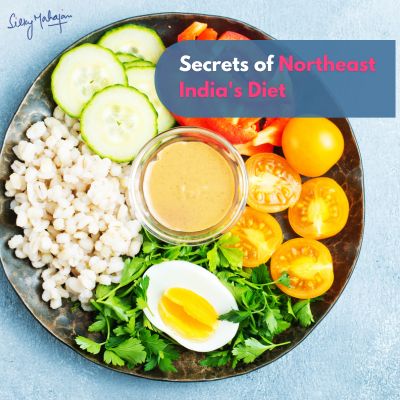
Have you ever noticed how lean, fit, and energetic people from Northeast India tend to be? It’s not magic – it’s their diet. Northeast Indian meals are often rich in protein, fresh vegetables, bamboo shoots, and fermented foods like pickles and chutneys. Their diet typically includes fewer processed foods and more natural, whole foods.
Benefits of a Protein-Rich Diet
Protein is essential for repairing tissues, building muscles, and supporting overall health. Homemade meals rich in protein and fresh vegetables can help maintain a healthy weight, boost energy levels, and improve digestion.
Incorporating Protein-Rich Foods into Your Diet
To balance your meals, include natural protein-rich sources such as:
Chicken: A versatile and lean source of protein.
Fish: Rich in omega-3 fatty acids and high-quality protein.
Eggs: Packed with essential amino acids and nutrients.
Paneer and Tofu: Excellent vegetarian sources of protein.
Pulses: Lentils, rajma (kidney beans), and chana (chickpeas) are rich in protein and fiber.
Nuts and Seeds: Great for snacking and adding to dishes.
Dairy Products: Yogurt, milk, and cheese provide protein and calcium.
Shifting from carb-heavy meals to a diet rich in protein and fresh vegetables can significantly improve your health. Embrace the dietary secrets of Northeast India and prioritize natural, whole foods over processed options. Your body will thank you!
In case of any related query related to nutrition or weight loss book an appointment with Dt. Silky Mahajan .You can also send us a mail at info@foodsandnutrition.in or call on 7829999400. Follow us on facebook & instagram for latest updates.
Instant noodles are a popular convenience food enjoyed by many around the world. However, consuming them too often can pose significant health risks. Here, we explore the top reasons to avoid excessive consumption of instant noodles and provide some healthier alternatives for a balanced diet.
The Nutritional Downside of Instant Noodles
Instant noodles may be quick and easy to prepare, but they are packed with unhealthy fats, preservatives, and low in essential nutrients. This makes them a poor choice for regular consumption, especially if you are aiming for a balanced diet.
High Sodium Levels
One of the biggest concerns with instant noodles is their high sodium content. Excessive sodium intake can lead to serious health problems such as hypertension, heart disease, and weight gain.
A single serving of instant noodles can contain more than half of the recommended daily sodium intake, making it easy to exceed safe levels if consumed frequently.
Unhealthy Additives
Instant noodle often contain MSG (monosodium glutamate) and other additives to enhance flavor. While MSG is generally recognized as safe, some individuals may experience adverse reactions such as headaches, nausea, and digestive issues. The long-term effects of consuming these additives are still a topic of ongoing research, making it wise to limit your intake.
Healthier Alternatives to Instant Noodles
While it’s okay to enjoy instant noodles occasionally, it’s important to prioritize healthier options for your regular meals. Here are some suggestions:
Whole Grain Pasta: A more nutritious alternative that provides fiber and essential nutrients.
Rice Noodles: Lower in sodium and free from preservatives, making them a healthier choice.
Homemade Soups: Use fresh vegetables, lean proteins, and whole grains to create a nutritious and satisfying meal.
Quinoa or Brown Rice: These grains are rich in nutrients and can be paired with a variety of healthy ingredients for a balanced meal.
Conclusion
Instant noodle can be a convenient option, but their high levels of unhealthy fats, sodium, and additives make them unsuitable for frequent consumption. By choosing healthier alternatives and being mindful of your overall diet, you can enjoy a balanced and nutritious lifestyle.
In case of any related query related to nutrition or weight loss book an appointment with Dt. Silky Mahajan .You can also send us a mail at info@foodsandnutrition.in or call on 7829999400. Follow us on facebook & instagram for latest updates.
These days, frozen and ready-to-cook meats are everywhere, from supermarkets to online platforms. They offer a convenient solution for busy lifestyles, but are they really worth it for your health? Let’s dive into the details to understand the benefits and potential drawbacks of these popular meal options.
The Nutritional Aspect of Frozen Meats
Frozen meals can preserve nutrients reasonably well. Freezing helps slow down the degradation of vitamins and minerals, maintaining a good portion of the nutritional value found in fresh meats.
This means that frozen meats can be a convenient way to ensure you’re still getting essential nutrients, especially when fresh options are not available.
Potential Health Risks: Additives and Preservatives
However, the healthiness of frozen and ready-to-cook meats varies based on ingredients, processing, and additives. Some ready-to-cook meats may contain added sodium, preservatives, or unhealthy fats to enhance flavor or prolong shelf life.
These additives can pose health risks if consumed in large amounts, contributing to issues like high blood pressure, heart disease, and obesity.
Choosing Healthier Options
Opting for lean cuts of meat without added ingredients can be a healthier choice. Here are some tips for selecting the best options:
Read the Labels: Look for products with minimal additives and low sodium content.
Choose Lean Cuts: Select meats that are labeled as lean or extra-lean to reduce fat intake.
Avoid Preservatives: Whenever possible, pick meats that do not list preservatives or artificial ingredients.
Benefits of Homemade Alternatives
Preparing your own meals with fresh ingredients is often the best way to ensure you’re consuming healthy, nutritious food. Here are a few benefits of making your meals at home:
Control Over Ingredients: You can choose high-quality, fresh ingredients and avoid unwanted additives.
Nutritional Balance: Customize your meals to include a balance of protein, healthy fats, and vegetables.
Healthier Cooking Methods: Opt for baking, grilling, or steaming instead of frying to reduce unhealthy fat intake.
Final Thoughts
While frozen and ready-to-cook meats can offer convenience, it’s crucial to be mindful of their nutritional content and potential additives. By reading labels and choosing healthier options, you can enjoy the benefits without compromising your health. Remember, preparing meals at home with fresh ingredients is always a great alternative to ensure you’re eating nutritious and delicious food.
In case of any related query related to nutrition or weight management book an appointment with Dt. Silky Mahajan .You can also send us a mail at info@foodsandnutrition.in or call on 7829999400. Follow us on facebook & instagram for latest updates.
Addressing the challenge of shedding belly fat is crucial for both appearance and health. Learn effective lifestyle changes to tackle abdominal obesity and reduce health risks.
Understanding Belly Fat
Belly fat, especially with a waistline above 40 inches in men or 35 inches in women, poses serious health risks like heart disease and diabetes. Discover the keys to a healthier lifestyle.
11 Lifestyle Changes to Lose Belly Fat Quickly
Implement these strategies to reduce belly fat and promote overall health:
Cut Down on Simple Carbs: Eliminate refined carbs and sugary drinks; opt for complex carbs like brown rice and quinoa.
Incorporate Healthy Proteins: Include lean meats, fish, eggs, legumes, and nuts to boost metabolism and curb hunger.
Increase Fiber Intake: Eat whole grains, fruits, vegetables, legumes, nuts, and seeds for a healthy gut.
Choose Healthy Fats: Opt for unsaturated fats like olive oil and nuts instead of trans fats found in processed foods.
Optimize Meal Frequency: Eat 6 balanced meals throughout the day and stay hydrated.
Control Portions: Track portions using an app to manage calorie intake.
Boost Metabolism: Include metabolism-boosting foods like matcha, lemon water, coconut oil, apple cider vinegar, and cinnamon.
Avoid Junk and Processed Foods: Say no to unhealthy snacks , packaged fruit juices and alcohol.
Incorporate Exercise: Include cardio exercises and core workouts to burn fat and strengthen muscles.
Reduce Sugar Intake: Minimize all types of sugar, including brown sugar, as excess sugar consumption can contribute to belly fat and other health issues.
Understand Weight Loss Plateaus: Recognize that weight loss may plateau at times, but don’t give up; adjust your approach and stay consistent.
Conclusion
Follow these lifestyle changes to effectively lose belly fat and improve overall health. Don’t hesitate to ask questions and follow us for more health and nutrition tips!
In case of any related query related to nutrition or weight management book an appointment with Dt. Silky Mahajan .You can also send us a mail at info@foodsandnutrition.in or call on 7829999400. Follow us on facebook & instagram for latest updates.
You tirelessly exercise every day, break a gallon of sweat, and give your 100% in your workout routine. And then you step on the weighing machine, only to realize the numbers haven’t budged.
Frustrating right?
Seeing the results you expect despite consistent hard work can be disheartening. However, you aren’t alone; many individuals experience this same struggle and wonder “Why am I not losing weight!?”
So, what exactly are you doing wrong?
Well, in this blog we have discussed the possible reasons why your weight loss journey might be hitting a roadblock.
Interested? Let’s get scrolling.
Understanding Weight Loss and Exercise
Diet and exercise are two main issues that you must address when you embark on a weight loss quest. And this is where a lot of lies and misconceptions mix.
So, to get started, let’s examine the basic ideas of weight loss and the vital function exercise plays in this process.
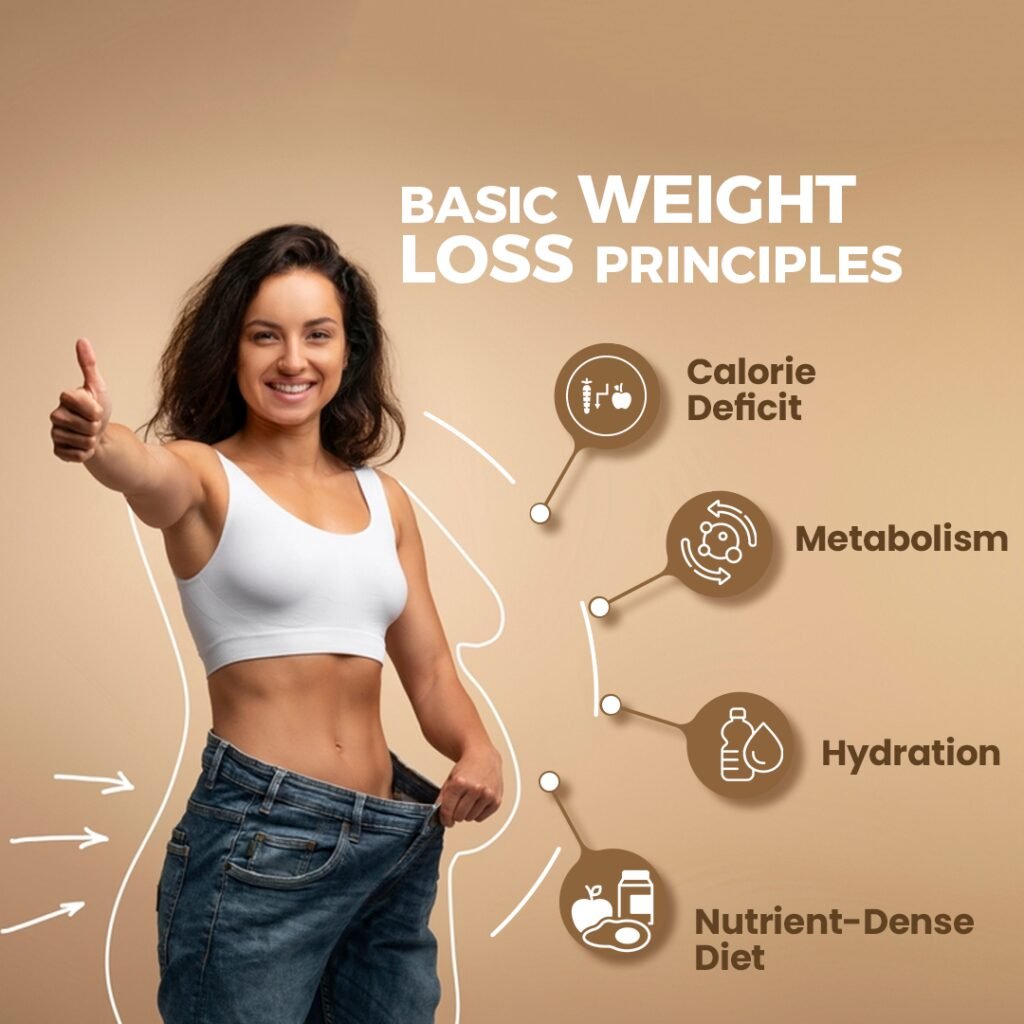
Basic weight loss principles
Let’s learn about the basic principles of weight loss so that you have a clear and solid foundation to start with.
1. Calorie deficit
Caloric deficit is a basic weight loss principle – burning more calories than you consume. Regardless of your diet or exercise regimen, creating a calorie deficit is important. This can be achieved by reducing caloric intake, increasing physical activity, or by a combination of both.
2. Metabolism
The body’s metabolism is the process of converting food into energy and is a key player in weight management. Factors like age, gender, genetics, and muscle mass influence metabolism. Regular exercise, particularly strength training, can boost metabolism by preserving and building lean muscle mass.
3. Nutrient-Dense Diet
Weight loss isn’t just about cutting calories; it’s about nourishing the body with nutrient-dense foods. A balanced diet ensures that your body receives essential vitamins and minerals while supporting overall health.
4. Hydration
Adequate hydration is often overlooked but is crucial for optimal bodily functions, including metabolism. Drinking water can also help control appetite, preventing overeating.
The Role of Exercise in Weight Loss
Now that you have a clear idea of the basic principles of weight loss, let’s find out the role of exercise in weight loss.
1. Calories burned
Exercise helps in reducing your calories further by burning additional calories. Cardiovascular activities like running, cycling, or swimming are effective for burning calories during the workout. However, strength training is equally important, as it builds muscle, which increases the resting metabolic rate and helps you burn calories even when you are at rest.
2. Metabolic rate
Regular exercise, especially high-intensity workouts, can elevate the metabolic rate for hours after the session, commonly known as the afterburn effect or excess post-exercise oxygen consumption (EPOC). This means you continue to burn calories post-workout.
3. Preserving Lean Muscle Mass
While losing weight, it’s essential to preserve lean muscle mass. Incorporating resistance training helps prevent muscle loss, ensuring that the weight lost is primarily fat rather than a combination of fat and muscle. Read this blog to know about weight loss vs fat loss.
Silky Mahajan Explains The Differences Between Weight Loss Vs Fat Loss
4. Improving Insulin Sensitivity
Exercise enhances insulin sensitivity, allowing cells to better respond to insulin. Improved insulin sensitivity helps regulate blood sugar levels and can be beneficial for weight loss and our overall health.
15 Reasons Why You Are Not Losing Weight Despite Exercising Every Day
Starting a daily exercise routine is a commendable step towards achieving your weight loss goals. But what if the numbers on the scale refuse to budge?
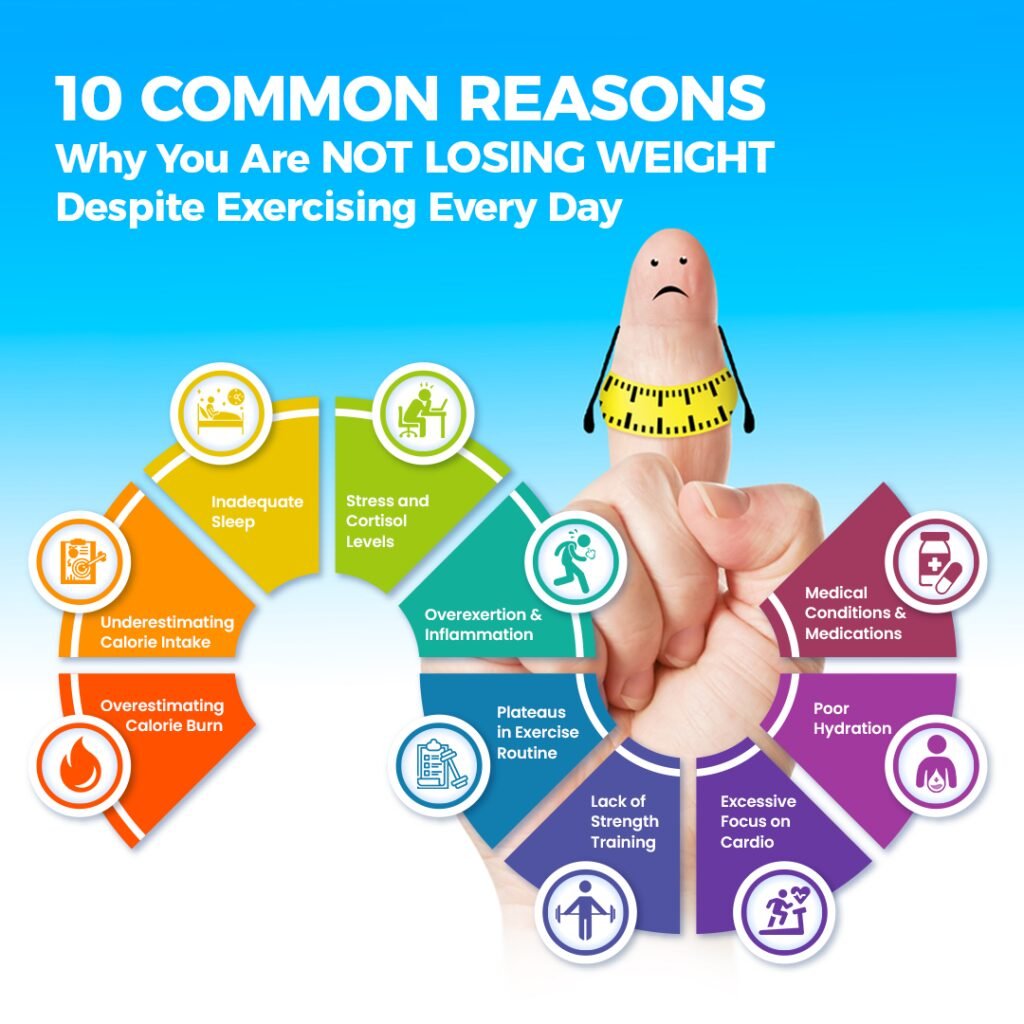
Let’s find out the 15 common reasons that might be hindering your weight loss progress.
Reason 1: Overestimating Calorie Burn
It’s easy to overestimate the number of calories burned during a workout. People often rely on generic estimations, assuming they torched more calories than reality. This miscalculation can lead to unintentional overeating, sabotaging weight loss efforts. Use our helpful calorie calculator to calculate daily average calorie needs
Reason 2: Underestimating Calorie Intake
Conversely, underestimating calorie intake is a prevalent mistake. Snacking, portion sizes, and hidden calories in seemingly healthy foods can contribute to consuming more calories than you realize, offsetting the efforts put into exercise. Read this blog to know about healthy snacking options.
Reason 3: Inadequate Sleep
The impact of sleep on weight loss cannot be overstated. Poor sleep quality and insufficient sleep disrupt hormonal balance and affect appetite-regulating hormones like ghrelin and leptin. This imbalance often results in increased cravings for unhealthy, high-calorie foods, which results in weight gain.
Reason 4: Stress and Cortisol Levels
Chronic stress triggers the release of cortisol which is a hormone associated with fat storage, particularly around the abdominal area. Elevated cortisol levels can hinder your weight loss by promoting fat retention and encouraging overeating.
Reason 5: Overexertion and Inflammation
While exercise is crucial, overexertion can lead to inflammation, causing the body to retain water and temporarily stall weight loss. Striking a balance between intensity and recovery is key to avoiding this setback. Additionally, intense exercise with short recovery periods can result in injuries and prevent you from working out for a considerably long time.
Reason 6: Plateaus in Exercise Routine
The body is adept at adapting to repetitive exercise routines which leads to plateaus in weight loss. To overcome this, periodic changes in your workout intensity, duration, and type are essential to keep the body challenged. Variety in exercise not only prevents plateaus but also engages different muscle groups, promoting overall fitness and preventing overuse injuries
Insights From Nutritionist Silky Mahajan On Weight Loss Plateaus
Reason 7: Lack of Strength Training
Cardiovascular exercise alone may not be sufficient for weight loss. Incorporating strength training is vital for building lean muscle mass, which increases the resting metabolic rate and supports long-term weight loss goals.
This synergy between cardiovascular exercise and strength training creates a powerful combination, optimizing overall fitness, and enhancing the body’s ability to shed excess weight
Reason 8: Excessive Focus on Cardio
While cardio is beneficial, solely relying on it for weight loss can be counterproductive. A balanced exercise routine should include both cardiovascular workouts and strength training to address various aspects of fitness.
Strength training helps sculpt and tone the body, enhancing muscle definition and creating a more metabolically active physique.
Reason 9: Poor Hydration
Dehydration can hinder metabolism and contribute to water retention. Staying adequately hydrated is essential for optimal bodily functions and can support weight loss by promoting efficient calorie burning. Moreover, water also plays a crucial role in appetite regulation.
Thus, drinking an adequate amount of water before meals can promote a sense of fullness and lead to reduced calorie intake.
Reason 10: Medical Conditions and Medications
Certain medical conditions and medications can impact weight. Conditions like hypothyroidism and medications with weight-related side effects may slow down metabolism or lead to weight gain.
Check with a registered medical practitioner to ensure you don’t have any such medical conditions hindering your weight loss goals.
Reason 11: Unrealistic Expectations
Setting unrealistic weight loss goals can lead to frustration and disappointment. Most people set themselves unrealistic weight loss goals which they fail to achieve.
When a setback hits, they get demotivated and stop trying altogether. Healthy, gradual weight loss is more sustainable and achievable in the long run.
Reason 12: Neglecting Diet Quality
Not all calories are created equal. Focusing solely on calorie counting without considering the quality of the diet can undermine weight loss efforts. A balanced and nutrient-dense diet is crucial for overall health and sustainable weight loss. Try to eat a balanced diet rich in whole grains, complex carbohydrates, lean proteins, and healthy fats. Also, eat lots of fresh fruits and green vegetables as they contain fiber, vitamins, minerals, and antioxidants which all contribute to a healthy diet.
Reason 13: Lack of Consistency
Consistency is paramount in any weight loss journey. Inconsistency in exercise or diet disrupts the body’s adaptation process, making it challenging to see meaningful progress. Regular sustainable habits make it easier for you to achieve your weight loss goals faster.
Reason 14: Ignoring Mental Health
Mental health plays a significant role in physical well-being. Stress, emotional eating, and poor mental health can undermine weight loss efforts. Incorporating stress-reducing activities like yoga or meditation and addressing emotional well-being are crucial components of a holistic approach to weight loss.
Reason 15: Not Tracking Progress Properly
Properly tracking exercise and dietary habits is essential for assessing progress. Without accurate records, it’s challenging to identify areas that need adjustment and celebrate the victories along the way. Utilize journals, apps, or wearable fitness trackers to monitor and adjust your approach accordingly.
Final thoughts
Whew, a lot of reasons huh?
However, the journey to weight loss is multifaceted. It’s not just about the hours you spend sweating it out in the gym; it’s a holistic approach that includes proper nutrition, adequate sleep, and a balanced lifestyle.
Thus, by addressing these common reasons you can kickstart your weight loss journey and achieve the results you’ve been striving for.
Here’s to a healthier and happier you.
You know the ins and outs of cardiovascular exercise and strength training for weight loss. But, what about diet?
Well, stop stressing out about what to eat for weight loss, and reach out to expert dietitian Silky Mahajan for personalized weight loss diet guidance and counseling. Hundreds of individuals have achieved their weight loss goals and you can be next!