

Categories
latest buzz Medical Nutrition Weight Management

PCOD Weight Loss Diet Chart for Indians.

pcod diet chart for weight loss

Blog Highlight : Explore our PCOD Diet Chart for Weight Loss designed for Indians. Learn to manage symptoms through diet, balance hormones, and lose weight effectively.

Over 10% of Indian women suffer from PCOD, which makes this condition a prevalent lifestyle disease. PCOD is a type of hormonal imbalance that disrupts the fertility cycle of women and also causes other health complications. 

And given the stressful work-life culture of today, PCOD is more common now than ever.

So, what exactly are the causes of PCOD? How can PCOD be detected? And can PCOD be cured through diet and lifestyle changes?

Well, in this blog, we shall discuss PCOD comprehensively and also provide you a sample one-day PCOD Diet Chart for Weight Loss For Indians.

What is PCOD?

PCOD stands for Polycystic Ovarian Disease and is a hormonal imbalance that occurs in women. It occurs in the ovary, which is the female reproductive organ responsible for regulating menstrual cycles, and also produces the female hormones estrogen and progesterone.

PCOD occurs when one ovary starts overproducing immature eggs, which then accumulate in the ovary. This causes cysts in the ovary, which leads to a hormonal imbalance. 

Women who have PCOD may have irregular or prolonged menstrual cycles and high levels of androgen, which is a male hormone and can also cause serious health complications like diabetes and heart disease.

Now that you have a fair idea of PCOD let’s look at its causes.

Causes of PCOD

The main cause of PCOD is the overproduction of eggs in the ovary, which causes cysts inside the ovary. The accumulated eggs also cause irregular menstrual cycles that lead to the release of male hormones inside the body. 

causes of psod in females

Although research still hasn’t found the exact reason behind PCOD, a number of other factors are suspected to cause it.

  • High levels of inflammation
  • Excess androgen
  • Insulin Resistance
  • Excess insulin
  • Genetic makeup
  • Obesity

There can be other causes of PCOD, like smoking, living a sedentary lifestyle and even pollution, which leads to irregularities in insulin production.

Here are 5 habits which can worsen your PSOD – Silky Mahajan.

What are the symptoms of pcod in females?

The symptoms of PCOD vary from person to person. Some women start to see symptoms around the time of their first period, while others detect it months after.

Some of the most common symptoms of PCOD are:

symptoms of pcod in females

1. Irregular periods

This is one of the most common symptoms of PCOD. Women may experience fewer than 9 menstrual cycles in a year, which can occur with gaps of 35 days or even more. This happens due to the high amount of male hormones in the body, due to which ovulation stops.

2. Hirsutism

Due to excess male hormones in the body, females start developing body and facial hair. This condition is known as hirsutism.

3. Body symptoms

Other symptoms may include acne on the face and back or even baldness.

4. Ovary cysts

PCOD can lead to the accumulation of eggs inside the ovary, which then causes them to swell in size. This causes cysts inside the ovary and hamper their normal function.

Managing PCOD through diet and lifestyle modifications

While the exact cause of PCOD is unknown, it’s believed that lifestyle modifications, including following a PCOD Diet Chart, can help manage or even prevent the condition.

Some lifestyle changes to incorporate for managing PCOD are:

1. Maintain healthy levels of body weight

When you maintain a healthy body weight, you reduce the risk of increasing your cholesterol levels, reduce your risk of getting high blood pressure and heart diseases, reduce your chances of diabetes and also maintain healthy androgen levels that play a huge role in regular ovulation and menstrual cycles.

2. Engage in regular physical activity

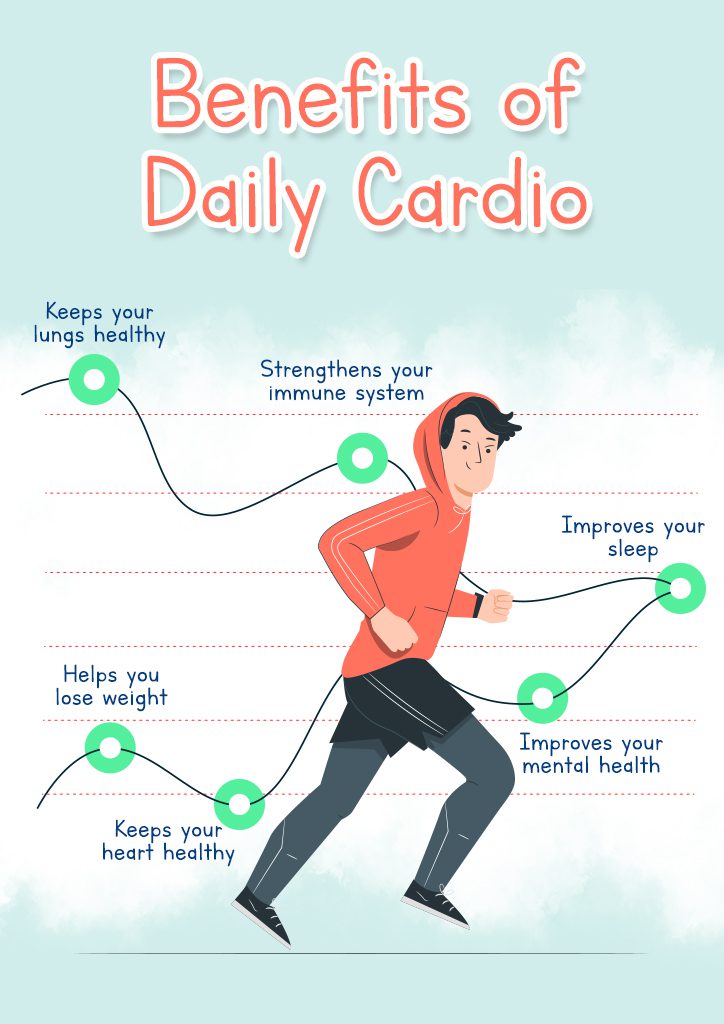
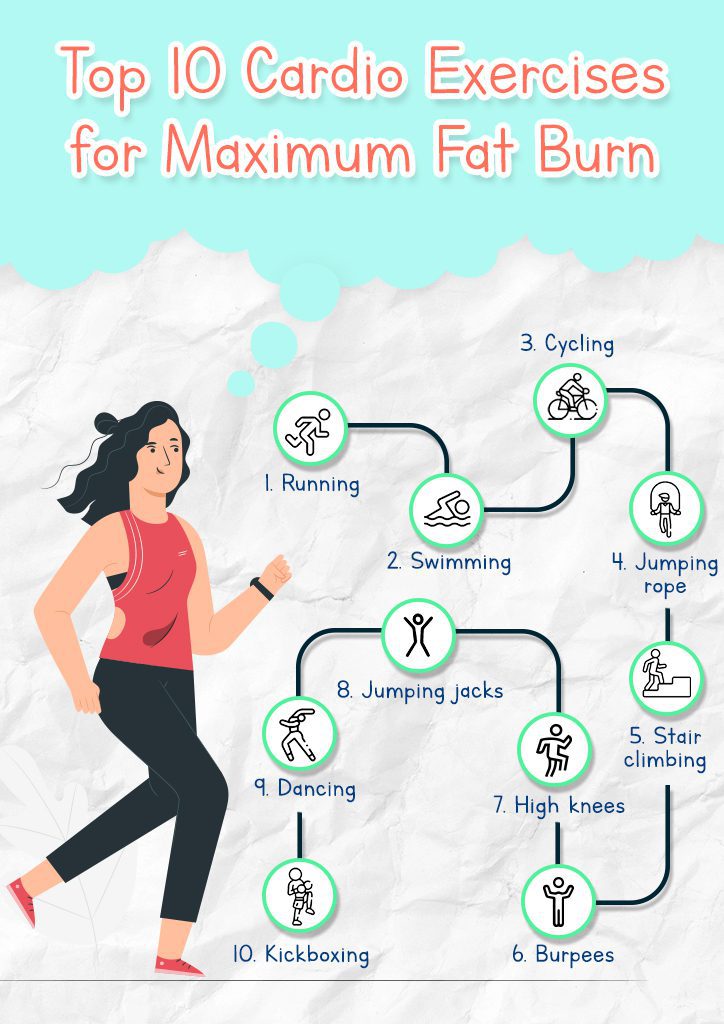
Engaging in physical activities like running, swimming or even working out will regulate your blood sugar levels, keep your weight under check, and also release endorphins in your body that make you feel good.

3. Diet

Diet plays a significant in managing PCOD. Most health complications occur because of the food we eat. Eating a healthy diet can play a huge role in managing your PCOD.

Now, let’s look at how diet affects PCOD in more detail.

How does diet affect your PCOD?

Studies have found that women who have PCOD have high levels of insulin in their blood. This high insulin level can lead ovaries to create male hormones like androgens and testosterone.

Insulin resistance is caused due to high body mass index, and women who are overweight are more prone to developing PCOD.

This is why a PCOD Diet Chart can play a critical role in managing your PCOD and can also help you prevent it in the first place.

Some diet options to follow for managing PCOD are

1. Foods with low GI

GI stands for Glycemic Index. Foods that have a low GI number means they are digested slowly by the body. This does not cause elevated insulin levels. 

A diet with low GI food can include legumes, whole grains, seeds, nuts, fruits, non-starchy vegetables, and other types of unprocessed food items.

2. Anti-inflammatory foods

Eating food items that fight inflammation in the body can help fight PCOD. Some anti-inflammatory foods to inculcate in your diet are leafy green vegetables, berries, fatty fish, and also extra-virgin olive oil.

Now, let’s look at some food items to eat for managing PCOD.

Foods & fruits to eat for PCOD

Diet can be a key factor when it comes to successfully managing PCOD and its symptoms. Have a look at the food items below:

food and fruits to eat during pcod

1. Fruits

Fruits contain essential vitamins, minerals, and antioxidants and can be great for our overall health, too. Some fruits that are low in GI are apples, blueberries, cherries, red grapes, blackberries, and even bananas.

2. Vegetables

Try adding green leafy vegetables to your diet, like spinach, broccoli, kale, etc. These are excellent for managing PCOD and also help in improving our skin and hair health.

3. High-fibre foods

Foods rich in fibre, like nuts, avocados, spinach, peas, and oranges, help manage your PCOD symptoms and should be a part of any essential PCOD diet.

4. Fish

Fatty fish contain omega 3s, which are good for our heart and also help regulate bad cholesterol in our body. You can have fish like sardines, tuna, salmon, and mackerel as a part of your PCOD diet.

5. Nuts

Nuts like walnuts, almonds, and pistachios contain good amounts of healthy fats that can help treat PCOD.

Now that you know what food items you can have as a part of your PCOD diet, let’s get to food items you should consider avoiding.

Foods to avoid for PCOD

Since PCOD is related to our lifestyle habits, it’s important to stick to certain dietary rules. It’s a good idea to stay away from packaged and processed foods, which aren’t good for our bodies in general.

food to avoid for pcod

1. Refined carbs

Try avoiding any sort of refined carbs like bread, pastries, cereals, pizzas, and any food item that contains white flour.

2. Sugary beverages

If you have PCOD, it is pertinent that you consume any food items high in sugar. Some sugary drinks to avoid are sports drinks, sodas, sweetened waters, and much more.

3. Processed meat

Processed meat can be harmful to your health and can also be detrimental to you if you have PCOD. Avoid all processed meat like salamis, hot dogs, sausages, and more.

1-Day PCOD Diet Chart for Weight Loss For Indians.

1 day pcod diet chart for weight loss
BreakfastMid-morning snack
1. Have a cup of oatmeal cooked with water or low-fat milk.

2. A serving of fresh fruits with low GI, like apples, bananas, or berries.

3. A portion of sprouts or 1 boiled egg.
1. Handful of almonds or walnuts.

2. Cup of green tea without sugar.
LunchAfternoon snack
1. Have 2 small whole wheat chapatis or a portion of brown rice.

2. A bowl of mixed vegetable curry (avoid using too much oil).

3. It’s recommended to have a small bowl of salad that contains lots of colorful vegetables.
1. A serving of yogurt or buttermilk.

2. Eat some carrot or cucumber sticks.

DinnerEvening Snack
1. Grilled or baked fish or chicken breast.

2. A portion of cooked quinoa or whole-wheat pasta.

3. Steamed vegetables or stir-fried vegetables with minimal oil.
1. A fruit like an orange or a pear.
Before Bed
1. Have a glass of warm turmeric low-fat milk.

This is a sample Indian diet plan for PCOD that you can try following. You will find all the food items at your local supermarket or grocery store.

Parting thoughts

PCOD is a lifestyle disease and can be controlled if you pay attention to your lifestyle and diet. You can also consult a professional nutritionist and dietitian Silky Mahajan to know more about PCOD diets and the type of food you should consume to manage your PCOD symptoms.

A nutritionist can guide you to make better informed food choices for managing your PCOD and enable you to make healthy eating habits that will be good for your general health and well-being.

Categories
latest buzz Medical Nutrition Weight Management

Special Nutrition Needs for Women

When we talk about nutrition, well-balanced meals and following healthy regime is more or less similar to Male as well as Female. However, it is vital to understand that women should give particular attention to these nutrients: Folate, Calcium, Iron, Vitamin D, B12 and Magnesium.

Food sources rich in these nutrients

  1. Folate: Legumes, Eggs, Citrus fruits, Banana, Avocados, Broccoli, Leafy greens, Beets, Nuts & seeds
  2. Calcium: Dairy products, Muskmelon seeds, Makhane (Lotus Seeds), Almonds, Broccoli
  3. Iron: Green leafy vegetables, Ragi, Dates, Beetroot, Pumpkin seeds, Quinoa, Tofu, Meat, Fish
  4. Vitamin D: Exposure to sun for 15-30 min, Egg yolks, Fatty fish (e.g. Mackerel, and Salmon), Cheese, Milk, Mushroom
  5. Vitamin B12: Eggs, Fortified cereal, Milk & Dairy products, Fish (Tuna & Salmon), Vegetarians need to rely on supplementation support in case of too much deficiency
  6. Magnesium: Green leafy vegetables, Nuts & Seeds, Dark Chocolate, Avocados, Legumes and whole grains

Suggest doing blood tests once per year to understand the blood parameters and take necessary steps.

Happy Women’s Day :).

In case of any related query to nutrition or weight loss book an online appointment for diet consultation with Dt. Silky Mahajan. Please send us an email at info@foodsandnutrition.in or call on 7829999400 between 10:00 AM IST – 7:00 PM IST (Mon – Sat).

Categories
latest buzz Medical Nutrition Weight Management

17 Effective Ways to Lose Belly Fat For Men

Easy to gain but difficult to lose, Belly fat is one of the biggest ongoing problem in today’s world. It causes bad-looks and unappealing appearance.

Larger waistlines are linked to a higher risk of heart disease, diabetes, high blood pressure, abnormal and even cancer. Waistline above 40 inches (102 cm) in men and 35 inches (88 cm) in women is known as abdominal obesity.

17 effective lifestyle changes that will help you to lose belly fat:

  1. Try cutting down your carbs especially simple ones:
  2. Eliminate refined carbs – white bread, white rice, pasta, maida etc and also sugar and sugary drinks like soda, cola, juices, packed bars, chocolates etc.
  3. Instead include complex carbs–brown rice, whole wheat flour, quinoa, millets such as jowar, ragi, bajra, foxtail etc.
  4. Eating more healthy protein: Lean meats, fish, eggs, legumes, beans, nuts, low fat dairy and dairy products can boost your metabolism and reduce hunger levels, making it a very effective way to lose belly fat.
  5. Incorporate fiber rich foods in diet: Wholegrain cereals (e.g. wholegrain bread, whole oats, quinoa, millets, Broken wheat daliya), Fruits (e.g. Oranges, Berries, Pears, Melon), Vegetables (e.g. Brocoli, Cucumber, Carrot, Green leafy vegetables), Legumes, Nuts and Seeds.
  6. Avoid foods that contains trans fat and instead take healthy fatty acids: Unsaturated fats present in margarines, cookies, pastries, fried food have adverse effect on your health. Instead choose foods rich in omega 3 and omega 6 such as olive oil, peanut butter, nuts (almonds, pistachios, walnuts etc), seeds (Sunflower, pumpkin, chia, flax etc), sea foods, lean fish etc
  7. Eat 6 meals (3 major + 3 small) at regular intervals and drink plenty of water.
  8. Maintain the portion size and keep a track of your food intake by referring any app.
  9. Include foods that increases metabolism – Matcha green tea, lemon water – unsweetened, extra virgin coconut oil, apple cider vinegar, cinnamon powder are few examples to increase metabolism.
  10. Avoid eating junk and processed foods (pizza, burger, noodles, chips, cookies, sugary juice, cola drinks)
  11. Avoid taking alcoholAerobic exercise (like walking, running, swimming etc) has been shown to cause major reductions in belly fat.
  12. Practising exercises such as leg raise, abs exercise, crunches, sit ups, maintain climbing, planks, burpees etc are more effective to shed excess belly fat.
  13. Read the food label before buying any food products to check sugar contents, sodium, potassium, preservatives etc.
  14. Get plenty of restful sleep (6-8 hours)
  15. Reduce stress level through Yoga/Meditation
  16. Change your sedentary lifestyle – Try not to sit too much, do stretching exercises at your desk, take the stairs instead of the elevator etc
  17. Choose healthy cooking techniques such as boiling, steaming, stir-frying, sauteing, roasting, grilling instead of deep frying, high fat baking, microwaving.

In case of any related query to nutrition or weight loss book an online appointment with Dt. Silky Mahajan. Please send us an email at info@foodsandnutrition.in or call on 7829999400 between 10:00 AM IST – 7:00 PM IST (Mon – Sat).

Categories
latest buzz Medical Nutrition Weight Management

Healthy Snack Options to Curb the Hunger

Healthy snack options

Aim for Healthy snack options and whole foods as mentioned below. Avoid processed/junk foods and sugary drinks.

These healthy snack options are not only beneficial to curb the hunger in between major meals but also helpful in overall well-being and healthy lifestyle.

  • Replace sugary drinks with: Lemon water, Sattu drink, Butter milk, Green tea, Ragi ganji with butter milk, Coconut water
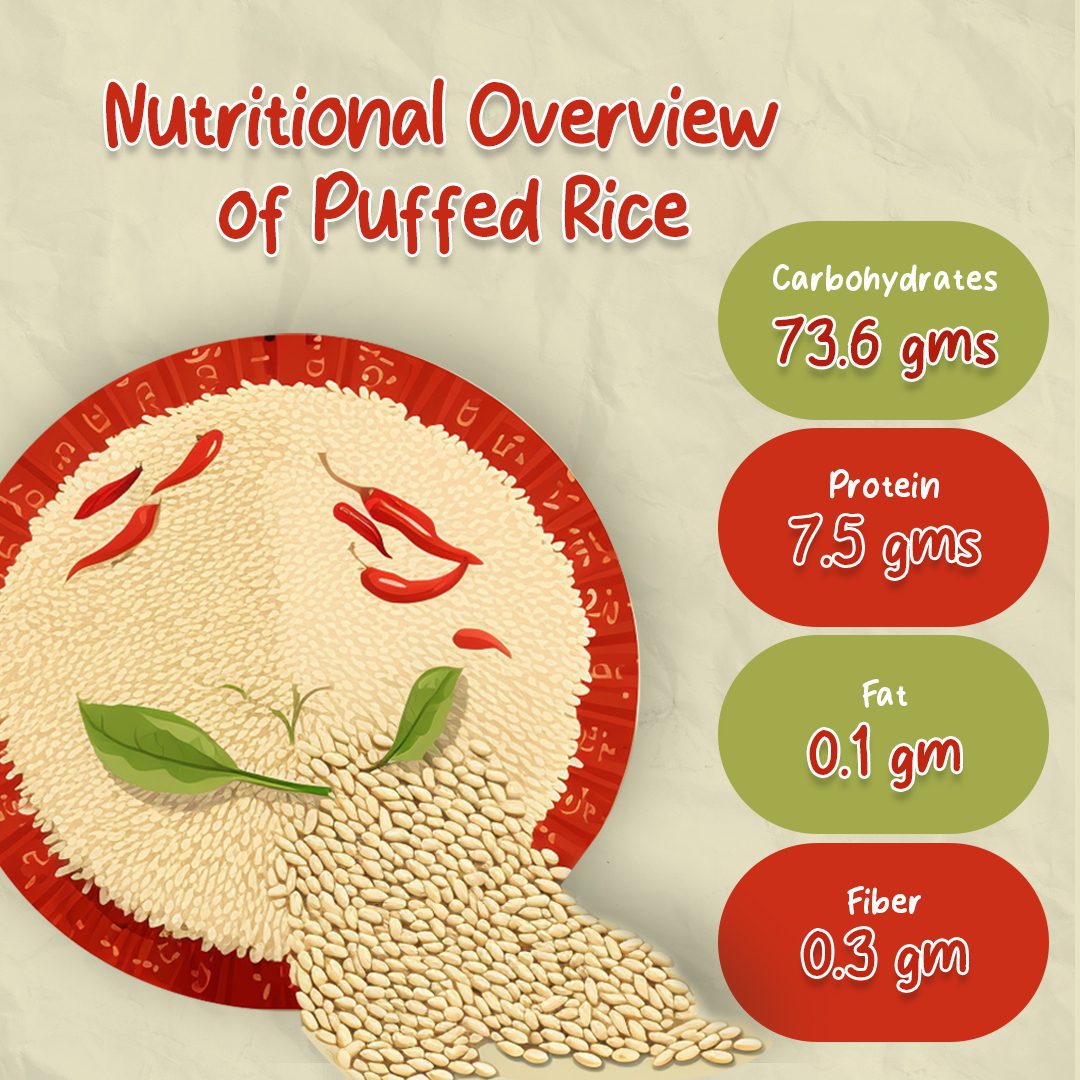
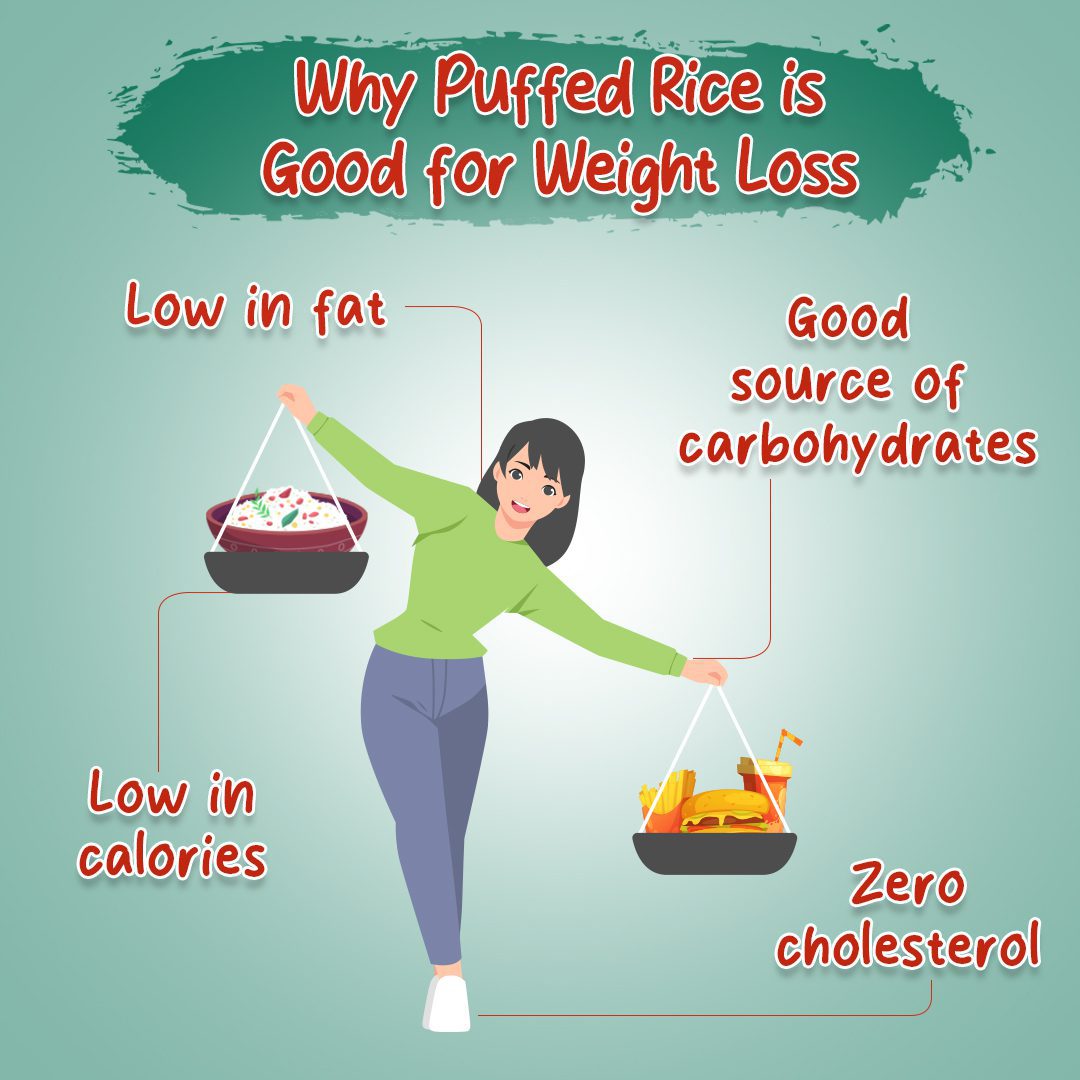
  • Replace namkeens/chips with: Puffed rice, Baked mathris, Roasted channa, Makhana
  • Try to add good salads in between meals: Corn/Sprouted salad, Puffed rice salad, Peanut salad, Mixed vegetable salad, Fruit salad, Jowar flakes,Soy flakes, Egg whites
  • Yoghurt with fruits or muesli can also be the part of the snacks
  • Whole fruit is easy to carry
  • Mixed dry fruits
  • Sandwiches (Paneer/Sprouts/Spinach/Corn + Spinach)

In case of any related query to nutrition or weight loss book an online appointment with Dt. Silky Mahajan.

Please send us an email at info@foodsandnutrition.in or call on 7829999400 between 10:00 AM IST – 7:00 PM IST (Mon – Sat). Do follow us on youtube for latest nutrition tips & videos.

Categories
latest buzz Sports Nutrition Weight Management

Diabetics & Mangoes: A Healthy Choice or Risky Treat?

mango

A lot of my clients approached me recently because of few posts shared on whether mangoes are good or bad for diabetic people. In simple words:

Eating low-glycemic index foods (GI value <=55) is considered as an important tool to control diabetes. If we look at the glycemic index of mango, it is 51 which gives us an indication that: it is safe to eat a mango. But, the question here is

Eating Mangoes Without Portion Control? A Big No!

Specifically for diabetic people, I really don’t recommend any fixed rule (for example eat 1/2 bowl or one slice per day) to eat mangoes because it depends on multiple factors including sugar levels.

Top 5 Key Considerations for Diabetics Eating Mangoes

  1. If you are pre-diabetic then you can enjoy mango provided you are maintaining the portion size e.g. 1/2 cup
  2. Keep a track of the total carbohydrates intake in a day. FYI, 1/2 cup of mango contains 35 gms carbohydrates
  3. If sugar levels are too high then it’s always good to eat mangoes under expert advice. Even a single slice of mango can spike up the blood sugar levels in highly diabetic people
  4. Avoid eating mango with other high carb food or food with high glycemic index. Instead can be eaten as in between snack.
  5. It’s always good to consult Diabetologist or Diabetes educator to avoid any health risk.

Conclusion

As a diabetic person you can enjoy mango provided you maintain the portion size, cut down and keep a track of total carbohydrates intake in a day, exercise regularly and stay stress-free.

If you have any questions regarding nutrition tips or weight management, please schedule an online appointment for a diet consultation with Dt. Silky Mahajan for expert guidance.

Please send us an email at info@foodsandnutrition.in or call on 7829999400 between 10:00 AM IST – 7:00 PM IST (Mon – Sat).

Categories
latest buzz Sports Nutrition Weight Management

Keto Diet, Is It Good or Bad for your Health?

keto diet

These days everyone wants to follow Ketogenic diet or Paleo diet just to get quick results in terms of weight loss. For those who are not aware of Keto diet, let me try to explain it in simple words: Keto diet, also known as low-carb diet or low-carb high-fat (LCHF) diet restricts the type and amount of carbohydrates you eat.

Such diets are high in Fat (60-75%), adequate in Protein (15-30%) and low in Carbohydrates (5-10%). Again, exact PFC (Protein, Fat & Carbs) ratio depends on an individual based on their body response and other activity factors. Of course, this diet doesn’t suit everyone.

I can’t deny saying that it not only helps in weight loss but also reduces the risk factors associated with type 2 diabetes and high blood pressure. At the same time, it is important to learn the flip side of this diet. 

Low-carb diets such as Keto diet may deplete your serotonin levels. Serotonin is an important chemical and neurotransmitter in the human body which helps to improve your mood, well being and promotes feelings of satisfaction after eating.

Low-carb intake reduces serotonin levels and can lead to irritability, restlessness, depression and anxiety. It is called ‘Atkins attitude’.

A lot of people (especially women) start following low-carb diets by surfing few websites without even knowing their blood parameters and consequences and don’t even realize when/how they hit severe side-effects as mentioned.

Please try to understand that such kind of low-carb high-fat diets should be followed (if you wish to) very carefully under certified nutrition expert’s advice only to avoid any health issues in the longer run.

Make sure that you undergo a health screen to rule out any rare conditions or contraindications to your health that may be unknown to you.

7 key benefits of Keto Diet:

  • Helps in weight loss
  • Helps obese women with PCOS
  • Helps fighting type 2 diabetes
  • Lowers Blood Pressure
  • Helps to control epileptic seizures (assuming no heart disease)
  • Stable energy levels
  • Improves Metabolic Syndrome

Side-effects of Keto Diet:

  • Headache
  • Dizziness
  • Sleep problems
  • Mood swings
  • Anxiety
  • Depression
  • Irritation
  • Muscle cramps
  • Constipation
  • Sharp rise in LDL cholesterol

Conclusion

In the longer run, rather than ignoring any nutrient (like carbs in Keto diet) it is always good to follow a well-balanced diet that is low in unnecessary fats and sugar and high in vitamins, minerals and other nutrients.

If you have any questions regarding nutrition or weight management, please schedule an online appointment with Dt. Silky Mahajan.

Send us an email at info@foodsandnutrition.in or call on 7829999400 between 10:00 AM IST – 7:00 PM IST (Mon – Sat).